Insider tips to avoid hidden cleaning charges in Elephant and Castle
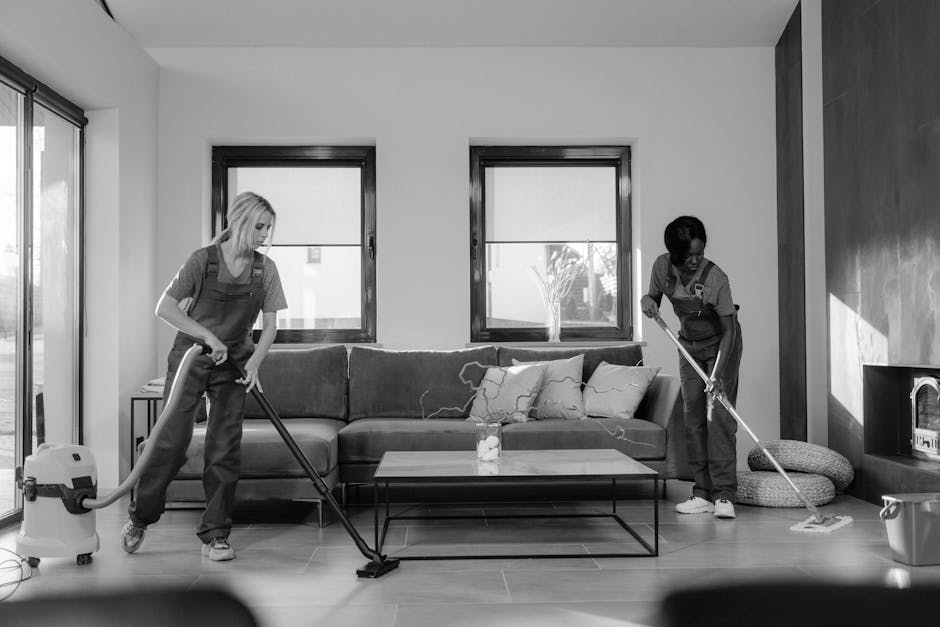
If you have ever booked a cleaner and then watched the final bill creep up, you will know how irritating hidden charges can be. In Elephant and Castle, where homes, flats, student lets, short-stay rentals, and busy commercial spaces all come with different cleaning needs, the small print matters more than most people expect. The good news? With a bit of know-how, you can avoid surprise add-ons, understand what a quote really covers, and choose a service with confidence.
This guide on Insider tips to avoid hidden cleaning charges in Elephant and Castle breaks down the usual traps, how pricing normally works, what to ask before you book, and the practical steps that keep your invoice honest. No fluff. Just the kind of detail that saves time, money, and a fair bit of stress.
Why Insider tips to avoid hidden cleaning charges in Elephant and Castle Matters
Elephant and Castle is a mixed-use pocket of London, which sounds tidy on paper but in practice means lots of different cleaning scenarios. You have compact flats with tight access, shared entrances, tower blocks, student accommodation, post-renovation properties, office spaces, and plenty of end-of-tenancy pressure. That mix can create pricing confusion very quickly.
Hidden charges usually appear when a cleaner's quote assumes one thing and the actual job turns out to be another. Maybe the oven is much worse than expected. Maybe parking or carrying equipment up several flights of stairs takes longer. Maybe the property was described as "lightly used" but arrives looking like a proper deep clean. None of that is unusual. The problem is when those extra costs were never clearly explained.
To be fair, some extras are legitimate. A professional cleaner cannot always know the true scope until they see the property. But the difference between a fair adjustment and a nuisance fee is clarity. That is why learning to spot the warning signs helps so much.
It also matters because cleaning is often booked at a stressful moment: moving day, guest turnover, post-build dust, or a busy workweek when you honestly do not have the headspace to argue over an invoice. The aim here is not to obsess over every penny. It is to make sure the service you pay for is the service you actually wanted.
Key takeaway: the cheapest quote is not always the best value, and the most expensive one is not always the most complete. The real trick is understanding exactly what is included before anyone picks up a mop.
How Insider tips to avoid hidden cleaning charges in Elephant and Castle Works
Most cleaning companies structure pricing in one of three ways: fixed price, hourly rate, or a quote based on property size and task type. Hidden charges tend to appear when the quote is broad, vague, or built on assumptions that do not match your actual situation.
Here is the basic pattern. The provider may advertise a starting price, then add charges for things like heavily soiled areas, specialist equipment, parking, extra rooms, carpet treatment, oven cleaning, upholstery cleaning, or out-of-hours access. None of these are automatically wrong. The issue is whether they were disclosed early enough for you to make an informed choice.
In practical terms, the process usually works like this:
- You describe the property and the cleaning task.
- The company estimates time, labour, and equipment needed.
- A quote is issued with inclusions and exclusions.
- On the day, the cleaner confirms any unexpected work before proceeding.
- The final invoice should match the agreed scope, plus any clearly approved extras.
That last step is where many people get caught out. If the company only says, "extra charges may apply," without defining when or why, you are left with very little room to challenge the bill. A better operator will tell you what triggers an additional cost, and ideally state it in writing.
If you want a useful benchmark for quote clarity, the pricing and quotes page is the sort of place you would expect a transparent provider to explain its approach clearly. And if you are comparing service quality too, it is also worth checking the company's about us information so you know who you are dealing with.
Simple really, though people do still get caught by it. Happens all the time.
Key Benefits and Practical Advantages
Knowing how to avoid hidden charges is not just about saving money, although that is obviously part of it. It also helps you choose a provider faster, compare quotes properly, and reduce the chance of awkward back-and-forth on cleaning day.
- Better budget control: you can plan the real cost instead of guessing from a headline price.
- Fewer disputes: when inclusions are written down, there is less room for confusion.
- More accurate comparisons: one quote may look cheaper until you realise it excludes parking, detergents, or deep-clean tasks.
- Less stress on the day: if a cleaner needs clarification, you already know what is acceptable.
- Improved service quality: companies that quote transparently often work more consistently overall.
There is another upside that gets overlooked. Clear pricing tends to signal a more organised operation. That often means better scheduling, better communication, and fewer "we'll sort it later" surprises. In our experience, the businesses that are careful with quote wording usually care about the rest of the job too.
For people booking more routine help, transparent pricing becomes even more valuable. A recurring plan such as regular cleaning should not feel like a mystery subscription. And for once-off jobs, like a proper end-of-tenancy reset, it helps to understand how end of tenancy cleaning is priced before you commit.
Who This Is For and When It Makes Sense
This advice is useful for almost anyone booking cleaning in Elephant and Castle, but a few groups benefit especially:
- Tenants moving out: if you need a full clean before inspection, every excluded item matters.
- Landlords and letting agents: you need predictable standards and a clear scope.
- Homeowners and busy families: no one wants surprise costs after a long week.
- Airbnb hosts: rapid turnaround leaves very little time to renegotiate.
- Business owners and office managers: commercial jobs often involve access, waste, and timing details that can trigger extra fees.
- People booking one-off or deep cleans: these are the jobs most likely to vary based on condition.
If you are booking deep cleaning, after-builders work, or a specialist service like oven cleaning, the risk of hidden extras is higher because the scope is more variable. On the other hand, a straightforward domestic cleaning visit may be easier to price upfront, especially if the home is already in decent shape.
When does it make sense to be extra cautious? Pretty much any time the property has not been seen in person, the job includes specialist items, or access is awkward. That last one is a real London thing. Narrow stairwells, controlled entry systems, and restricted parking can all affect cost.
Step-by-Step Guidance
If you want the most practical version of Insider tips to avoid hidden cleaning charges in Elephant and Castle, follow this process. It is simple enough, but it works.
1. Describe the job in plain detail
Be specific about bedrooms, bathrooms, reception rooms, kitchen condition, appliances, carpets, and any extras like balcony glass or internal windows. "Two-bed flat, standard tidy-up" is not much to go on. "Two-bed flat, one bathroom, lightly soiled kitchen, oven needs attention, no carpet cleaning required" is better.
2. Ask what is included and what is not
Do not settle for a general reassurance. Ask for the exact scope. Does the price include materials? Does it cover inside cupboards? Are limescale removal and scale-heavy bathrooms extra? What about bins, fridge cleaning, or window interiors?
3. Check for common add-ons
The most frequent extras usually involve:
- parking or congestion-related access issues
- heavy dirt, grease, limescale, or mould
- appliance interiors, especially ovens and fridges
- carpet, rug, sofa, or upholstery treatment
- same-day, early-morning, evening, or weekend work
- property size changes after the quote is issued
4. Request the quote in writing
Email or message is fine, as long as the inclusions are written down. You want a paper trail. A friendly phone call is useful, but memory is a slippery thing when the invoice lands two days later.
5. Confirm the approval process for extras
If the cleaner finds an issue on arrival, ask them to contact you before starting any chargeable add-on. A good provider should not just go ahead and hope you will not notice. That is where trust goes sideways.
6. Recheck the invoice before paying
Match the final invoice against the quote, approved extras, and agreed timing. If something looks off, ask for a clear breakdown. Calmly. Most issues are sorted faster when you keep it practical rather than turning it into a battle.
If you are booking a bigger specialist job, such as after builders cleaning, this step-by-step approach matters even more. Construction dust has a way of hiding in the oddest corners. You think the room is done, then you spot a fine film on the skirting boards at 7pm and sigh a bit.
Expert Tips for Better Results
A few small habits can make a big difference. These are the sorts of things that experienced customers often learn the hard way, and then never forget.
- Send photos before booking if possible. A few clear pictures of the kitchen, bathroom, and any problem areas help the provider price the job more accurately.
- Ask for task-based pricing where appropriate. For example, a separate line for carpet cleaning can be easier to assess than a vague bundle.
- Clarify access conditions. Lift access, entry codes, concierge rules, and loading restrictions can all affect the visit.
- Be honest about the property's condition. Understating the mess almost always backfires. It usually ends up costing more, not less.
- Keep a copy of the original quote. It sounds obvious, but people do lose these things. Then everyone is relying on memory, which is never ideal.
- Ask about materials and equipment. Some companies include them; some do not. If they are extra, get that stated clearly.
A tiny but useful tip: if a quote sounds unusually cheap, ask yourself what has been left out. It may be nothing. But it may also be the bit that later appears on your invoice as "additional service required."
For ongoing homes, a service like house cleaning can often be priced more predictably because the property condition becomes familiar over time. That is one reason regular clients tend to get fewer surprises.
Common Mistakes to Avoid
Most hidden charge problems start with one of a few easy-to-fix mistakes. The good news is they are avoidable once you know what to watch for.
- Choosing on price alone. A low headline figure can be misleading if it excludes normal tasks.
- Assuming "deep clean" means the same thing everywhere. It does not. One company's deep clean can be another company's standard top-to-bottom tidy.
- Not asking about specialist items. Sofas, mattresses, rugs, and ovens often sit outside a basic clean.
- Ignoring access details. If parking is restricted, or if the property is hard to reach, mention it early.
- Failing to confirm extras before they are done. This is the classic one. Once the work is complete, arguments get messy.
- Using vague language. "Just clean the place" is not enough for a reliable quote.
One thing people often miss is the condition threshold. Some cleaners define "normal soiling" differently from "heavy soiling." If there are baked-on stains, pet hair build-up, or neglected areas, the job may move into a different pricing bracket. Annoying? Yes. Unexpected? Not if it was explained.
And if you are handling a move, do not forget that move out cleaning and move in cleaning can be priced differently even when the rooms look similar. The timing, access, and required standard are not the same. Not even close, really.
Tools, Resources and Recommendations
You do not need fancy software to protect yourself from hidden cleaning charges. A phone, a notes app, and a bit of discipline will do the job nicely.
- Photo checklist: take pictures of rooms, appliances, and any damaged or heavily soiled areas before the clean.
- Scope notes: write down what you asked for and what the company promised to include.
- Invoice comparison: compare the final bill against the original quote line by line.
- Written approval: ask for written confirmation if any extra work is agreed on the day.
- Service pages: use relevant pages to understand how a provider structures specialist work, such as window cleaning, sofa cleaning, or mattress cleaning.
If you are selecting a provider for business premises, it also helps to read about their operational approach. A company offering commercial cleaning should be clear about attendance times, keys, access, and whether consumables are included. That level of detail usually tells you a lot.
For peace of mind, you can also review pages such as insurance and safety and health and safety policy. They will not tell you every price detail, of course, but they do help you judge how carefully the business is run.
Law, Compliance, Standards, or Best Practice
When cleaning services are sold in the UK, the biggest practical issue for customers is usually clarity, not legal theory. Still, there are some common-sense standards that matter.
First, contract terms should be understandable. If a company's terms and conditions mention extra charges, cancellation terms, access requirements, or exclusions, those points should be easy to find and plain in meaning. Nobody wants to read a paragraph three times just to learn whether a staircase fee applies.
Second, customer expectations should align with the service promised. If a provider says they supply materials, that should mean something clear. If a price is "from" a certain amount, you should be told what changes it. That is basic fair dealing, and it should be normal rather than special.
Third, data and payment handling should feel secure. If you are asked to share contact details or card information, a provider's payment and security information should explain how that is managed. Again, you are not looking for legal lectures. Just reassurance that the business is organised and careful.
For anything involving deep cleans, commercial sites, or shared buildings, it is also sensible to think about safety, insurance, and complaint handling. If something goes wrong, a clear complaints procedure is worth its weight in gold. Well, nearly.
And for environmentally minded customers, a provider's recycling and sustainability approach may matter too, especially when cleaning involves packaging waste or disposal questions. Not a price issue exactly, but still part of the overall service quality.
Options, Methods, or Comparison Table
Different booking methods come with different risks. If your goal is to avoid hidden charges, this comparison can help you choose the safer path for your situation.
| Booking method | How it usually works | Risk of hidden charges | Best for |
|---|---|---|---|
| Fixed quote | Price agreed upfront for a defined scope | Low, if inclusions are clear | End of tenancy, standard domestic jobs, move-related cleans |
| Hourly rate | You pay for the time spent | Medium to high, if the job expands | Flexible tidy-ups, smaller one-off jobs |
| Estimate only | Indicative price before final assessment | Medium, depending on how well it is explained | Unusual properties or jobs with unclear condition |
| Task-based pricing | Separate prices for appliances, carpets, upholstery, windows, and so on | Low to medium | Specialist or mixed-cleaning projects |
If you ask us, fixed quotes are usually the simplest option when the scope is well defined. But if the property is in an uncertain condition, a detailed task-based quote can be better than a vague all-in price. At least then everyone knows where they stand.
For example, if you need carpet cleaning along with a general tidy-up, separate pricing can be more transparent than one bundled amount that later grows teeth.
Case Study or Real-World Example
Imagine a tenant in Elephant and Castle moving out of a one-bedroom flat. The place looks fairly tidy at first glance, but the oven is greasy, the bathroom has limescale, and the balcony doors have a lot of built-up grime from city dust. The first quote comes back low, which is tempting.
Instead of booking immediately, the tenant sends photos, asks for the exact inclusions, and checks whether oven cleaning is part of the price. It turns out it is not. The company also notes that balcony glass and heavy limescale are excluded from the standard package. That sounds annoying, but it is honest.
The tenant then compares that quote with another provider's option that includes appliance cleaning and more detailed bathroom work. The second quote is higher on paper, but the final cost is more predictable. No surprise add-ons. No awkward call after the clean. Just a clear bill and a properly cleaned flat.
That is the practical lesson here. The "cheaper" choice is not always cheaper once extras are added. A better quote, with more detail, often saves money in the real world. Maybe not every time, but often enough to matter.
The same logic applies to other specialist jobs too. If you are booking one off cleaning for a post-party reset, or Airbnb cleaning between guests, clarity is everything. Turnarounds are tight, and nobody wants to discover "cleaning fee extras" after check-in time is already looming.
Practical Checklist
Use this quick checklist before you confirm any cleaning booking in Elephant and Castle.
- Have I described the property accurately, including rooms and condition?
- Have I asked what is included in the quoted price?
- Have I checked whether materials and equipment are included?
- Have I confirmed whether parking or access charges could apply?
- Have I asked about specialist items such as ovens, carpets, sofas, rugs, or mattresses?
- Have I requested the quote in writing?
- Do I know how extra work must be approved on the day?
- Have I kept a copy of the quote and any messages?
- Have I compared the price against another provider's scope, not just the headline figure?
- Does the company provide clear policies on security, safety, and complaints?
One more tiny tip: if anything feels vague, ask another question. Good providers do not mind. In fact, they usually prefer it. It makes the job smoother for everyone.
Get a free quote today and see how much you can save.
Conclusion
A clean property should leave you with a fresh room, not a fresh argument about the invoice. The best way to avoid hidden cleaning charges in Elephant and Castle is to slow the process down just enough to get the details right: scope, access, exclusions, materials, and approval for any extras. Once you do that, the whole experience becomes much easier to manage.
Whether you are booking a one-off clean, preparing for a move, or arranging regular support, transparent pricing is the difference between a smooth service and a headache. Ask the awkward questions early. Keep things in writing. Trust your instincts if the quote feels too loose.
And honestly, that bit of care pays off. It usually pays off quite nicely.
Frequently Asked Questions
How can I spot hidden cleaning charges before I book?
Look for vague wording such as "extras may apply" without a clear explanation. Ask what is included, what is excluded, and whether any specialist tasks or access issues could affect the final price.
Are cheap cleaning quotes more likely to have hidden fees?
Not always, but very low quotes can be a warning sign if they leave out common tasks. The real test is whether the quote clearly lists what you are paying for.
Should I always ask for a written quote?
Yes, ideally. A written quote gives you something to compare against the final invoice and helps avoid confusion if there is a question later on.
What extra charges are most common in Elephant and Castle?
Parking, difficult access, heavy dirt, specialist appliance cleaning, carpet or upholstery work, and out-of-hours visits are among the most common add-ons.
Is end of tenancy cleaning usually more expensive?
It can be, because the standard is often higher and the property may need deeper attention. It is a good idea to check what is included before booking.
Do cleaners charge more if the property is hard to access?
Sometimes, yes. Narrow stairwells, no lift, restricted parking, or difficult entry arrangements can increase time and effort, which may affect the price.
How do I make sure I am not billed for work I did not approve?
Ask the cleaner to get your approval before starting any extra work. If possible, keep that agreement in writing, even if it is just a quick message.
What should a good cleaning quote include?
A clear quote should say what rooms or tasks are covered, whether materials are included, what counts as an extra, and whether any access or timing conditions apply.
Are hourly rates or fixed prices better?
Fixed prices are often easier to manage when the scope is clear. Hourly rates can work for flexible jobs, but they can be less predictable if the work expands.
Can I challenge a cleaning charge if it was not agreed in advance?
You can always ask for an explanation and compare it with the original quote. If the charge was not approved or clearly described, a reasonable provider should review it.
Do specialist services like carpet or sofa cleaning create more risk of hidden charges?
They can, because the condition and treatment required vary more from property to property. It helps to ask for a task-based quote and confirm any stain or fabric-related limitations.
Where can I check a company's policies before booking?
Useful pages to review include pricing, terms and conditions, insurance and safety, health and safety, and complaints procedure. Those pages help you judge how transparent and organised the business is.