Deep Cleaning in Every Space: What It Is, Why It Matters, and How to Do It Right
Deep cleaning is more than a quick tidy-up or a weekly surface wipe. It is a detailed, thorough process that reaches the hidden dirt, built-up grime, and overlooked areas that everyday cleaning often misses. Whether you are refreshing a home, preparing a rental property, or maintaining a healthier indoor environment, deep cleaning creates a noticeable difference in appearance, comfort, and sanitation.
Many people search for deep cleaning when they want a reset for their space. The process can involve scrubbing baseboards, sanitizing high-touch surfaces, cleaning behind appliances, removing dust from vents, and restoring the freshness that regular cleaning alone cannot achieve. In this article, you will learn what deep cleaning includes, when it is needed, the benefits it offers, and how to approach it efficiently for better results.
From busy households to office environments, deep cleaning supports better hygiene and a more organized atmosphere. It can also improve indoor air quality, extend the life of surfaces and fixtures, and reduce allergens. If you are considering a professional service or planning to do it yourself, understanding the deeper value of deep cleaning can help you make smarter decisions for your space.
What Deep Cleaning Really Means
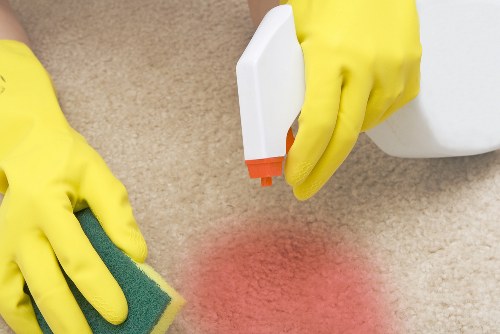
Deep cleaning refers to a more intensive form of cleaning that goes beyond routine tasks. Instead of focusing only on visible surfaces, it addresses grime in corners, dirt on hidden edges, and buildup in areas that often go untouched. The goal of deep cleaning is to restore cleanliness at a level that regular upkeep simply does not reach.
In practical terms, deep cleaning includes activities such as scrubbing grout, disinfecting sinks, washing windows, cleaning under furniture, and removing dust from ceiling fans and vents. It may also involve degreasing kitchen appliances, sanitizing bathrooms, and cleaning fabric or upholstery more thoroughly. This type of cleaning is especially useful in spaces that have not been cleaned deeply for several weeks or months.
Deep cleaning is often seasonal, event-based, or tied to life changes such as moving, renovation, or welcoming guests. It is also a smart choice for families with children, pets, or allergy sensitivities. When done well, deep cleaning gives a space a true reset and helps keep smaller messes from turning into bigger problems.
Why Deep Cleaning Is Important
One of the biggest reasons deep cleaning matters is hygiene. Everyday cleaning may remove surface dirt, but deep cleaning helps reduce bacteria, dust, and buildup that can affect health and comfort. This is especially important in kitchens, bathrooms, and shared spaces where germs can spread more easily.
Another major benefit is appearance. A room can look clean at first glance while still hiding dust, stains, and residue in corners or along trim. Deep cleaning restores a brighter, fresher look and can make spaces feel newer without expensive repairs or replacements. For many homeowners, that visual transformation is one of the most rewarding results.
Deep cleaning also supports long-term maintenance. Dirt, grease, and mineral deposits can damage surfaces over time if they are ignored. Regular deep cleaning can help protect floors, countertops, fixtures, appliances, and fabrics, making them last longer and perform better.
Health and comfort benefits
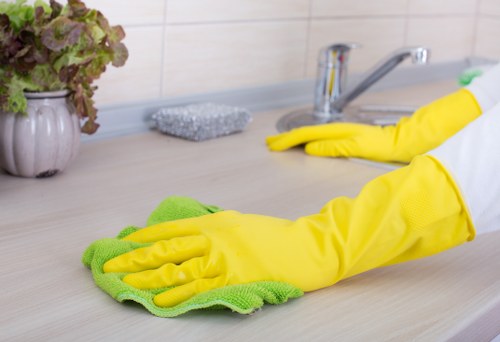
Clean spaces often feel calmer and more comfortable. Deep cleaning reduces allergens such as dust mites, pet dander, and pollen that may collect in carpets, vents, and upholstery. It can be especially helpful for people with allergies, asthma, or other respiratory sensitivities.
Areas That Benefit Most from Deep Cleaning
Some parts of a property need extra attention because they collect dirt faster or are used more heavily. These areas should be a priority during deep cleaning because they often reveal the biggest improvement once they are thoroughly addressed.
- Kitchen surfaces such as countertops, cabinet fronts, stovetops, and backsplashes
- Bathroom fixtures including sinks, tubs, toilets, tile, and grout
- Floors under furniture, along edges, and in corners
- Appliances like ovens, refrigerators, microwaves, and dishwashers
- High-touch points such as door handles, switches, and railings
- Fabric surfaces including rugs, curtains, sofas, and mattresses
Living rooms and bedrooms also benefit from deep cleaning, especially when dust accumulates under furniture or in decorative features. If you have shelves, ceiling fans, air vents, or blinds, these areas should not be overlooked. Small hidden spots often make a big difference in the overall feel of a space.
For commercial settings, deep cleaning may also focus on reception areas, break rooms, restrooms, and shared equipment. These spaces see frequent use, so a deeper level of sanitation helps maintain a professional image and a healthier environment.
How Deep Cleaning Differs from Regular Cleaning
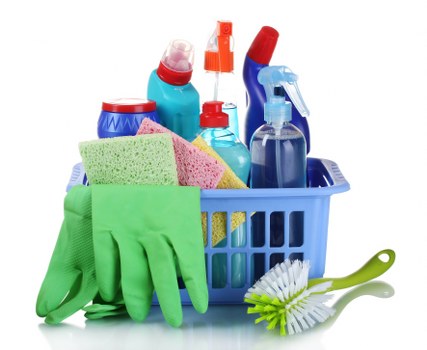
Regular cleaning is usually about keeping a space presentable and preventing daily messes from building up. Deep cleaning goes further by targeting embedded dirt, stubborn residue, and neglected areas. Both are important, but they serve different purposes.
Routine cleaning tasks typically include sweeping, wiping counters, vacuuming, and taking out trash. Deep cleaning includes more labor-intensive work such as moving furniture, scrubbing grout, cleaning inside cabinets, washing walls, and disinfecting overlooked surfaces. In many cases, it also takes more time and specialized tools.
The difference is depth, detail, and duration. A regular cleaning may maintain a home between major cleanings, while deep cleaning resets the environment. Think of it as the difference between surface care and thorough restoration. A well-maintained home often needs both to stay in top condition.
Examples of the difference
Regular cleaning: wiping the bathroom sink. Deep cleaning: scrubbing the faucet base, cleaning behind the sink, disinfecting the drain area, and removing soap scum from tile.
When You Should Schedule Deep Cleaning
There is no single rule for how often deep cleaning should happen, but many homes benefit from it several times a year. The ideal schedule depends on your lifestyle, the size of the space, and how much traffic it receives. Some properties need deep cleaning more often than others.
Common times to book deep cleaning include:
- Seasonal changes, such as spring or fall
- Before or after hosting events
- When moving into a new home
- When moving out of a rental
- After home renovations
- Following illness in the household
- When allergens or dust seem unusually high
Deep cleaning is also useful after long periods of neglect or during busy times when regular upkeep has slipped. If a room starts to smell stale, look dull, or feel sticky despite routine cleaning, it may be time for a deeper approach. Many property owners use deep cleaning as part of a preventive maintenance plan rather than waiting until problems become obvious.
For families and professionals with packed schedules, scheduling deep cleaning in advance helps keep the work from piling up. This approach is more efficient and less stressful than trying to fix everything at once.
Deep Cleaning Checklist for Key Rooms
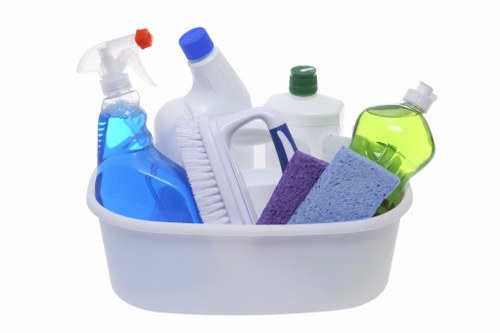
A structured checklist makes deep cleaning easier to manage and helps ensure nothing important is missed. The following room-by-room breakdown can be adapted to homes, apartments, offices, and other spaces.
Kitchen
- Clean inside and outside of appliances
- Degrease stovetops and range hoods
- Wipe cabinet doors and handles
- Scrub sinks, faucets, and drains
- Sanitize countertops and backsplash areas
- Remove crumbs from drawers and shelves
Bathroom
- Disinfect toilets, tubs, and showers
- Scrub tile, grout, and soap scum buildup
- Clean mirrors and fixtures
- Wash trash bins and storage areas
- Sanitize sink basins and drain areas
Bedroom and living areas
- Dust blinds, fans, and baseboards
- Vacuum under and behind furniture
- Clean lamps, picture frames, and shelves
- Wash bedding, pillows, and removable covers
- Clean upholstery and rugs
These tasks may seem small individually, but together they create a major improvement in freshness, appearance, and hygiene. Deep cleaning is most effective when it follows a methodical plan rather than random effort.
Tools and Products That Help Deep Cleaning Work Better
The right tools can make deep cleaning faster, safer, and more effective. While many tasks can be handled with basic supplies, using the proper products for each surface helps deliver better results and reduces the risk of damage.
Common deep cleaning supplies include microfiber cloths, scrub brushes, mops, sponges, vacuum attachments, disinfectants, degreasers, and glass cleaners. For tough buildup, you may also need grout cleaners, descaling products, or upholstery cleaners. A good vacuum with HEPA filtration can be especially valuable for dust control.
Choosing products carefully matters. Not all cleaners are suitable for every material. Wood, stone, stainless steel, tile, and fabric each require different care. Always check labels and test products in small areas first when needed. Using the wrong product can dull finishes or cause costly damage.
Helpful supply list
Keep a simple kit ready for deep cleaning so you can work efficiently:
- Microfiber towels
- Non-scratch scrub pads
- Bucket and mop
- All-purpose cleaner
- Bathroom disinfectant
- Degreaser
- Vacuum with attachments
- Protective gloves
Benefits of Hiring a Professional Deep Cleaning Service
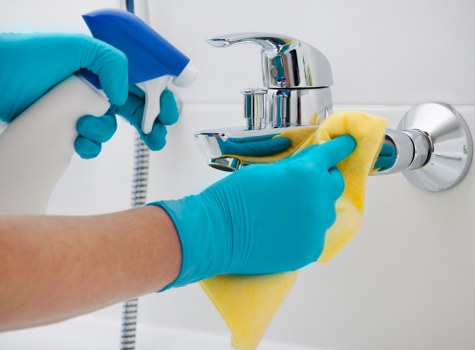
While some people prefer to handle deep cleaning themselves, hiring professionals can save time and deliver a more thorough finish. A trained cleaning team understands how to handle different materials, use specialized equipment, and work efficiently through detailed tasks.
Professional deep cleaning is especially helpful for large homes, busy households, post-renovation spaces, and properties that need extra attention. It can also be a strong option for people who are short on time, dealing with physical limitations, or managing a move. In many cases, the value comes from convenience and consistency as much as cleanliness.
Another benefit is precision. Professional cleaners are often trained to notice buildup in places most people overlook. That includes behind appliances, around fixtures, inside vents, and along edges where dust tends to gather. The result is a more polished and hygienic environment.
How to Prepare for Deep Cleaning
Preparation helps make deep cleaning smoother and more effective. Before you begin, clear clutter from surfaces, put away loose items, and identify the rooms or zones that need the most attention. A little preparation reduces interruptions and allows you to clean thoroughly.
It is also helpful to separate tasks by priority. For example, you may want to start with the kitchen and bathrooms, then move to bedrooms and living spaces. This approach keeps high-use areas fresh and prevents you from losing momentum. If you are hiring a professional service, preparing the space in advance can help the team work faster and focus on the actual cleaning.
Here are a few simple preparation steps:
- Remove items from countertops and floors
- Set aside valuables and fragile objects
- Make sure cleaning supplies are accessible
- Turn on lights in darker areas
- Confirm which rooms need extra focus
By planning ahead, you can get the most value from deep cleaning and reduce the chance of missing important spots.
Common Mistakes to Avoid During Deep Cleaning
Even when people are motivated, a few common mistakes can limit the results of deep cleaning. One frequent issue is rushing through the process. Deep cleaning requires more than quick wiping, so taking enough time is essential for meaningful results.
Another mistake is using too many products at once. Mixing chemicals can be unsafe, and applying multiple cleaners without proper rinsing may leave residue behind. Always read instructions carefully and keep ventilation in mind when working in enclosed spaces.
Skipping hidden areas is another common problem. If you only clean what is easy to see, the space may still feel dusty or unfinished. Move light furniture when possible, check under appliances, and address corners, vents, and trim. The best deep cleaning results come from attention to detail, not just visible improvement.
Deep Cleaning for Better Long-Term Maintenance
Deep cleaning is not only about immediate results. It also supports long-term maintenance by preventing buildup from becoming harder to remove later. When dirt and residue are handled regularly, surfaces stay in better shape and routine cleaning becomes easier.
This is especially valuable for flooring, grout, kitchen appliances, and bathroom fixtures. Instead of waiting until surfaces are stained or damaged, a consistent deep cleaning routine can preserve their condition and reduce repair or replacement costs. In other words, deep cleaning is both a cosmetic and practical investment.
For property owners, landlords, and facility managers, deep cleaning also helps maintain value and appeal. A clean environment creates a stronger impression and often contributes to better occupant satisfaction. Whether you manage one home or multiple spaces, a deeper cleaning schedule can support long-term performance.
Why consistency matters
Clean once is good; clean consistently is better. Deep cleaning done on a regular schedule helps prevent major buildup, makes upkeep easier, and keeps your space feeling more welcoming throughout the year.
How to Make Deep Cleaning More Efficient
Efficiency comes from strategy. Instead of jumping randomly from room to room, break the work into zones and complete tasks in a logical order. Start high and work low so dust and debris fall onto areas you have not cleaned yet. This helps avoid extra work.
It is also helpful to use a timer or set realistic blocks of time. Deep cleaning can feel overwhelming when treated as one giant task, but it becomes more manageable when divided into smaller sessions. Focus on one room, one surface, or one category at a time.
To stay efficient, remember these simple tips:
- Use the right tools for each surface
- Keep supplies in one portable caddy
- Work from top to bottom
- Open windows when safe for better airflow
- Finish each room completely before moving on
With the right method, deep cleaning becomes less stressful and more rewarding. The process may take time, but the visible and lasting results make it worthwhile.
Final Thoughts on Deep Cleaning
Deep cleaning plays an essential role in maintaining healthy, attractive, and well-kept spaces. It goes far beyond routine tidying and tackles the grime, dust, and buildup that accumulate over time. Whether you are cleaning a home, apartment, office, or rental property, deep cleaning can dramatically improve the feel and function of the space.
By understanding what deep cleaning includes, when it is needed, and how to approach it effectively, you can create a cleaner environment with less stress. From improving hygiene to protecting surfaces and boosting comfort, the benefits are clear. If your space is overdue for a reset, now is the perfect time to take action.
Book your service now if you want a fresher, healthier space without the hassle. Contact us today to take the next step toward a cleaner environment and experience the difference that thorough care can make.
An article explaining deep cleaning, its benefits, key areas, checklists, tools, and preparation tips for homes and businesses.


Get In Touch With Us.
Please fill out the form below to send us an email and we will get back to you as soon as possible.