Rug Cleaning: How to Keep Your Rugs Fresh, Beautiful, and Long-Lasting
Rug cleaning is one of the most important parts of maintaining a healthy, attractive home. Whether you have a decorative area rug in the living room, a durable runner in the hallway, or a delicate wool piece passed down through the family, proper rug cleaning helps preserve color, texture, and value. Many people overlook the fact that rugs collect dust, allergens, pet hair, spills, and odors over time, which means regular care is not just about appearances—it is also about comfort and hygiene.
In many homes, rugs act as focal points, adding warmth, style, and personality to a room. But even the most beautiful rug can lose its charm when it becomes dull, stained, or filled with embedded debris. That is why rug cleaning should be approached with the same attention given to carpets, upholstery, and other soft furnishings. From everyday maintenance to deep rug cleaning methods, the right approach can extend the life of your rug and keep it looking its best.
Understanding rug cleaning also helps you avoid common mistakes. Using too much water, scrubbing aggressively, or choosing the wrong cleaning product can damage fibers and weaken the backing. With the right care, however, rug cleaning becomes a simple routine that protects your investment and improves indoor air quality. Clean rugs do more than look good—they create a fresher, healthier environment for everyone in the home.
Why Rug Cleaning Matters for Every Home
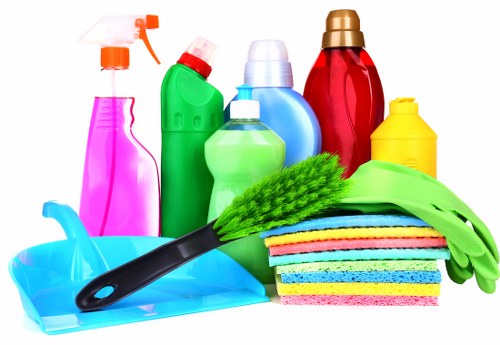
Rug cleaning is essential because rugs act like filters. They trap dirt, dust, pollen, crumbs, pet dander, and other particles that would otherwise circulate through your space. Over time, these particles settle deep into the fibers, making the rug appear faded and causing unpleasant odors. Regular rug cleaning removes these contaminants and restores the rug’s original appearance.
Another reason rug cleaning matters is longevity. Rugs are often expensive, and even budget-friendly pieces represent an investment in your interior design. By taking care of them properly, you slow down fiber wear, reduce matting, and help the rug retain its shape. This is especially important in high-traffic areas where rugs endure constant foot traffic.
Rug cleaning also supports healthier living conditions. Households with children, pets, allergy sufferers, or asthma concerns benefit greatly from cleaner rugs because fewer allergens remain trapped in the fabric. When rugs are cleaned regularly, the entire room feels fresher and more inviting.
Different Types of Rugs and Their Cleaning Needs
Not all rugs require the same rug cleaning methods. The material, weave, size, age, and construction of a rug determine how it should be cleaned. Understanding the differences is important before applying any cleaning solution or using any machine. A synthetic rug may tolerate stronger cleaning methods, while a hand-knotted wool rug needs much gentler care.
Common rug types include wool, cotton, silk, synthetic blends, jute, sisal, and shag rugs. Wool rugs are naturally resilient but may shrink if over-wet. Silk rugs are delicate and often require professional rug cleaning. Synthetic rugs, on the other hand, are usually easier to maintain and may be more forgiving with routine cleaning. Natural fiber rugs such as jute and sisal can be sensitive to moisture and need careful handling.
The rug’s construction matters too. Flatweave rugs, tufted rugs, braided rugs, and antique pieces all respond differently to moisture, pressure, and cleaning agents. Choosing the right rug cleaning approach based on material is the key to protecting both beauty and durability.
Common Rug Materials and What They Need

- Wool: Gentle rug cleaning with low moisture and mild solutions.
- Cotton: Often washable, but colorfastness should be tested first.
- Silk: Best handled with specialized, professional rug cleaning.
- Synthetic fibers: Usually durable and suitable for routine vacuuming and spot cleaning.
- Jute and sisal: Require dry methods or minimal moisture to avoid damage.
Before attempting any deep rug cleaning method, always check the manufacturer’s label if available. If the rug is antique, handmade, or especially valuable, a professional inspection is often the safest option.
When in doubt, test every cleaning product in a small, hidden area. This simple step can prevent discoloration or fiber damage and save you from costly repairs later.
Everyday Rug Maintenance Tips
Effective rug cleaning starts with consistent maintenance. While deep cleaning is necessary from time to time, daily and weekly habits keep dirt from building up in the first place. Simple maintenance can dramatically reduce how often you need intensive rug cleaning and can make each deep clean more effective.
Vacuuming is the most important routine task. For most rugs, vacuuming once or twice a week is ideal, though high-traffic areas may require more frequent attention. Be sure to vacuum both sides when possible, especially with area rugs that can collect dust underneath. Use a suction-only setting or a vacuum with adjustable height for delicate rugs.
It also helps to rotate rugs every few months. This prevents uneven wear, fading from sunlight, and compression in one area. Small steps like these make rug cleaning easier and help your rug stay attractive for years.
Simple Maintenance Habits That Make a Big Difference
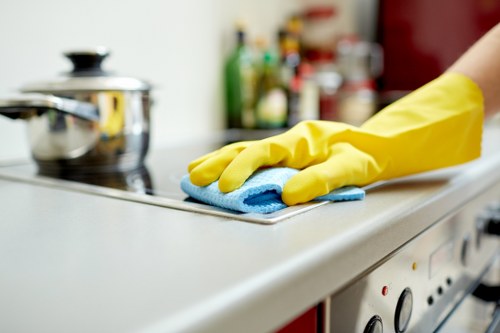
- Vacuum regularly to remove loose dirt and debris.
- Shake out smaller rugs outdoors when appropriate.
- Rotate rugs to balance wear and exposure.
- Use rug pads to reduce slipping and fiber friction.
- Address spills immediately before stains set.
- Keep shoes off rugs when possible to limit soil buildup.
These habits work together to reduce the amount of deep rug cleaning required over time. They also preserve the rug’s appearance, which is especially helpful for decorative pieces that serve as visual centerpieces.
For households with pets, grooming animals regularly can also reduce the amount of hair and dander trapped in rugs. The cleaner the environment around the rug, the more effective your rug cleaning routine will be.
How to Handle Spills and Stains the Right Way
Spills are inevitable, but they do not have to become permanent problems. The faster you respond, the easier rug cleaning becomes. The most important rule is to act quickly and avoid rubbing the spill. Rubbing can spread the stain and push it deeper into the fibers, making it harder to remove.
Instead, blot the spill with a clean, absorbent cloth or paper towel. Work from the outside of the stain inward to prevent it from spreading. Use a small amount of mild cleaning solution if needed, but avoid soaking the rug. Excess moisture can damage the backing and lead to mildew, especially in thicker rugs.
Different stains require different approaches. Food stains, pet accidents, coffee, wine, ink, and grease each have their own cleaning challenges. Quick action and the right method are the foundation of successful rug cleaning after a spill.
Best Practices for Spot Cleaning
- Blot immediately with a dry cloth before adding any liquid cleaner.
- Test the cleaning solution on a hidden section first.
- Use cool or lukewarm water unless the care label says otherwise.
- Avoid harsh chemicals that may bleach or weaken fibers.
- Dry the area thoroughly after cleaning to prevent odors and mold.
For persistent stains, a second treatment may be needed. However, repeated soaking is not a solution. Proper rug cleaning balances stain removal with fiber protection, which is why patience is often more effective than force.
If a stain remains after a few careful attempts, professional rug cleaning may be the safest option. This is especially true for antique, handmade, or natural fiber rugs.
Deep Rug Cleaning Methods Explained
Deep rug cleaning goes beyond routine vacuuming and spot treatment. It removes embedded dirt, neutralizes odors, and refreshes the rug’s fibers from within. There are several ways to deep clean rugs, and the best method depends on the rug’s construction and material.
Dry rug cleaning methods are often used for moisture-sensitive rugs. These can include dry powders or low-moisture cleaning compounds that absorb dirt and are later vacuumed away. Shampooing is another option, though it must be done carefully to avoid residue buildup. Steam cleaning is common for some synthetic rugs, but it is not suitable for all rug types.
Hand washing is sometimes recommended for high-value or delicate rugs, especially those made from wool or silk. This method allows for greater control, but it also requires knowledge, time, and the right environment for drying.
Popular Deep Rug Cleaning Methods
- Vacuum extraction: Useful for surface and embedded debris.
- Dry compound cleaning: Ideal for rugs sensitive to water.
- Shampoo cleaning: Suitable for some durable synthetic rugs.
- Hand washing: Best for delicate or valuable rugs when done carefully.
- Professional immersion cleaning: Often used for heavily soiled rugs under controlled conditions.
Each method has advantages and limitations. The right rug cleaning technique should leave the rug clean without causing color bleeding, shrinkage, or texture damage. That balance is especially important for rugs with intricate patterns or natural dyes.
If your rug has a strong odor, heavy staining, or years of buildup, deep cleaning may be necessary more often than usual. In such cases, professional rug cleaning can provide a safer and more thorough result.
DIY Rug Cleaning vs Professional Rug Cleaning
Many homeowners wonder whether they should clean rugs themselves or hire a professional. The answer depends on the rug, the level of soiling, and the type of stain. DIY rug cleaning is often suitable for routine maintenance and minor spills. It can save money and help you stay on top of everyday care.
However, professional rug cleaning becomes more valuable when dealing with antique rugs, large area rugs, delicate fibers, persistent odors, or significant staining. Professionals have specialized equipment and cleaning solutions designed for deeper soil removal and safer handling of fragile textiles.
Professional services can also inspect for hidden damage such as moth activity, worn fibers, or loose seams. When a rug is valuable or fragile, expert rug cleaning is usually the smarter investment.
When DIY Is a Good Option
DIY rug cleaning may be appropriate when:
- The rug is machine-made and durable.
- The stain is fresh and limited.
- You have a clear care label and safe cleaning supplies.
- The rug does not have sentimental or high monetary value.
When to Choose Professional Help
Professional rug cleaning is often the better choice when:
- The rug is antique, handmade, or silk.
- The stain is old, large, or deeply embedded.
- There is pet urine, mildew, or strong odor.
- The rug has fringe, delicate dyes, or natural fibers.
Knowing when to call in a professional can save time and prevent costly mistakes. It also helps ensure the rug is cleaned with methods suited to its specific fiber structure.
How Rug Cleaning Improves Indoor Air Quality
Rug cleaning does more than improve appearance. It also affects the air you breathe every day. Rugs can hold dust mites, pollen, pet dander, and other fine particles that contribute to poor indoor air quality. When people walk across a dirty rug, those particles can become airborne again.
Regular rug cleaning helps remove these trapped pollutants. This can be especially beneficial for households with allergies or respiratory sensitivities. Cleaner rugs reduce the amount of dust circulating through the room, making the space feel fresher and more comfortable.
Fresh, well-maintained rugs contribute to a cleaner home environment overall. This is one of the biggest reasons rug cleaning should be part of your regular maintenance routine rather than treated as an occasional luxury.
Rug Cleaning Mistakes to Avoid
Even with the best intentions, some cleaning mistakes can shorten a rug’s lifespan. One common error is over-wetting the rug. Too much water can weaken the backing, cause shrinkage, or create a breeding ground for mold and mildew. Another mistake is using harsh chemical cleaners that may discolor fibers or leave sticky residue behind.
Scrubbing too aggressively is also problematic. It may seem like a stronger motion would remove stains faster, but it often frays fibers and spreads the stain. Instead, use gentle blotting and controlled cleaning methods. If a spot needs more attention, repeat the process carefully rather than applying pressure.
Skipping the drying stage is another major issue. A rug that is not fully dried after cleaning can develop odors and become vulnerable to damage. Proper rug cleaning always includes careful drying and airflow.
Other Mistakes That Can Cause Damage
- Using cleaners without checking the fiber type first.
- Ignoring the care label or manufacturer instructions.
- Waiting too long to treat spills and stains.
- Using high heat on delicate materials.
- Failing to vacuum before wet cleaning.
Seasonal Rug Cleaning and Long-Term Care
Seasonal maintenance is a practical way to stay ahead of buildup. Many homeowners schedule rug cleaning during spring and fall, when it is easier to air out rugs and do deeper maintenance. This timing also helps address seasonal allergens and prepares the home for months of heavier indoor use.
Long-term care should also include checking the rug for wear, color fading, frayed edges, and fringe damage. These small signs can indicate that a rug needs extra attention. Early intervention helps prevent minor issues from becoming major repairs.
Storing rugs properly is another part of long-term rug cleaning care. If a rug will not be used for several months, it should be cleaned first, rolled rather than folded, and stored in a dry, ventilated area. Clean storage protects the rug from pests, moisture, and unnecessary deterioration.
Seasonal Care Checklist
- Schedule a deep rug cleaning before peak allergy seasons.
- Inspect rugs for wear, odors, and stains.
- Rotate rugs to balance sun exposure.
- Clean under rugs to prevent dust accumulation.
- Store unused rugs in breathable coverings, not plastic.
By following a seasonal routine, rug cleaning becomes much easier and more effective. It also helps preserve your decor so your rugs continue to enhance your home for years.
For homeowners who value both style and hygiene, seasonal care is a simple but powerful habit.
Why Routine Rug Cleaning Is Worth the Effort
Rug cleaning may seem like a chore, but the benefits are hard to ignore. Clean rugs improve the look of your home, support healthier indoor air, and help preserve your flooring investment. They also make a room feel more polished and welcoming. Whether you prefer a cozy, lived-in look or a more refined interior, a clean rug makes a noticeable difference.
Routine care also helps you avoid bigger problems later. Dirt buildup can wear down fibers, stains can become permanent, and odors can linger if they are not addressed promptly. By keeping up with rug cleaning, you protect both the appearance and function of the rug.
If your rug is a design statement, a family heirloom, or simply a favorite part of the room, regular rug cleaning is one of the best ways to keep it in great shape. Book your service now if you want a deeper clean that restores freshness and helps your rug look its best.
Final Thoughts on Rug Cleaning
Rug cleaning is not just about removing dirt—it is about preserving comfort, beauty, and value. From routine vacuuming to careful stain treatment and occasional professional deep cleaning, every step contributes to a healthier and more attractive home. The right approach depends on the rug’s material, construction, and condition, but the goal is always the same: keep the rug clean without damaging it.
When done consistently, rug cleaning becomes easier and more rewarding. You spend less time dealing with deep stains, your rooms stay fresher, and your rugs last longer. For busy households, this is a practical way to maintain a clean and polished living space without unnecessary stress.
If your rugs need attention, now is the perfect time to take action. Contact us today to get started with a solution that supports long-lasting results and a cleaner home.