Domestic Cleaning in Modern Homes: A Practical Approach to a Cleaner, Healthier Living Space
Why Domestic Cleaning Matters More Than Ever 
Domestic cleaning is more than a weekly chore; it is a vital part of maintaining a comfortable, healthy, and organized home. In busy households, dust, grime, and clutter can build up quickly, affecting not only the appearance of a space but also the wellbeing of everyone living in it. Whether you live alone, with a partner, or in a large family home, a consistent domestic cleaning routine helps create a calmer and more hygienic environment.
Many people think of house cleaning only as sweeping floors and wiping counters, but domestic cleaning covers a much wider range of tasks. It includes sanitation, organization, surface care, and the ongoing upkeep of rooms that are used every day. A well-planned cleaning process can save time, reduce stress, and prevent small messes from turning into bigger problems. When your home is clean, it feels easier to relax, focus, and enjoy your space.
There is also a strong practical reason to prioritize domestic cleaning: it helps protect your home from wear and tear. Dirt left on floors can scratch surfaces, grease can damage kitchen finishes, and mold can develop in damp areas like bathrooms. By cleaning regularly, homeowners can extend the life of furniture, fixtures, and flooring while keeping the home visually appealing.
Understanding the Scope of Domestic Cleaning 
Domestic cleaning refers to the routine and deep cleaning of private homes and residential properties. It typically includes bedrooms, kitchens, bathrooms, hallways, living areas, and sometimes utility spaces. Depending on the household, it may involve basic tidying, weekly maintenance, or more detailed tasks such as upholstery care, oven cleaning, or sanitizing high-touch surfaces.
House cleaning often works best when divided into two categories: routine cleaning and deep cleaning. Routine cleaning handles the frequent tasks that keep the home in order, such as vacuuming, dusting, mopping, and bathroom cleaning. Deep cleaning focuses on less visible buildup, including behind appliances, inside cabinets, around skirting boards, and other neglected corners that collect dust over time.
For many families, the challenge is not understanding what domestic cleaning includes, but finding the time and energy to do it consistently. That is why many households create checklists, rotating schedules, and room-by-room cleaning plans. These systems help ensure that no area is overlooked and that domestic cleaning stays manageable rather than overwhelming.
Benefits of a Regular Domestic Cleaning Routine 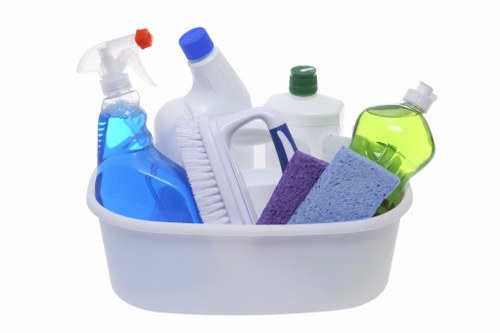
One of the biggest advantages of domestic cleaning is improved health. Dust, pet hair, pollen, and bacteria can accumulate in the home and trigger allergies or respiratory irritation. Regular cleaning reduces these irritants, creating a fresher and safer environment. For households with children, elderly family members, or anyone with sensitivities, this can make a noticeable difference in everyday comfort.
Another major benefit is mental clarity. A tidy and clean home often feels more peaceful, and many people find that clutter affects their mood and productivity. Domestic cleaning can help reduce the sense of chaos, especially in busy households where items pile up quickly. Even small actions like clearing countertops or making beds can make a room feel more organized and inviting.
There are also financial benefits. Proper domestic cleaning can preserve carpets, appliances, sinks, worktops, and furniture for longer. For example, removing stains quickly can prevent permanent damage, while regular dusting helps maintain electronics and decorative finishes. In this way, domestic cleaning is not just about appearance; it is also about protecting your investment in your home.
Core Areas to Focus on in Domestic Cleaning 
Although every home is different, there are certain key areas that deserve special attention during domestic cleaning. Kitchens, bathrooms, bedrooms, and living spaces all require slightly different approaches based on how they are used and how quickly they gather dirt.
Kitchens
The kitchen is often the busiest room in the house, which means it needs frequent cleaning. Food preparation surfaces, sinks, cabinet handles, appliance exteriors, and floors should be cleaned regularly to reduce bacteria and remove grease. Kitchen cleaning should also include wiping splashes from splashbacks, emptying bins, and sanitizing chopping areas after meal preparation.
Bathrooms
Bathrooms require a strong focus on hygiene because moisture creates ideal conditions for soap scum, mildew, and germs. Domestic cleaning in bathrooms usually involves disinfecting toilets, scrubbing sinks and showers, cleaning mirrors, and polishing taps. Regular ventilation is also important because it helps prevent damp buildup and unpleasant odors.
Bedrooms and Living Rooms
Bedrooms and lounges tend to collect dust, laundry, and everyday clutter. Vacuuming carpets, dusting furniture, changing bedding, and organizing personal items are key elements of domestic cleaning in these spaces. In living rooms, cleaning remote controls, light switches, and armrests can also improve hygiene, especially in homes with children or pets.
How to Build an Effective Domestic Cleaning Routine 
A successful cleaning routine begins with realistic expectations. Not every task needs to be done daily, and not every room needs the same level of attention at the same time. The best domestic cleaning plans are practical, flexible, and easy to maintain. They work with your schedule rather than against it.
Start by dividing tasks into daily, weekly, and monthly priorities. Daily tasks might include washing dishes, wiping counters, making beds, and tidying shared rooms. Weekly tasks may include vacuuming, mopping, cleaning bathrooms, and dusting surfaces. Monthly tasks can cover deeper jobs such as cleaning windows, washing curtains, and clearing out storage areas.
It helps to clean from top to bottom and from dry to wet areas. This means dusting shelves before vacuuming floors and cleaning bedrooms before bathrooms. Using a structured method reduces repeat work and makes domestic cleaning feel smoother. Many homeowners also prefer to clean one room at a time, which can create a stronger sense of progress and make large tasks less stressful.
Choosing the Right Cleaning Supplies and Tools
Good domestic cleaning depends on having the right tools available. While you do not need a cupboard full of products, a basic collection of reliable supplies can make cleaning faster and more effective. Microfiber cloths, a vacuum cleaner, a mop, sponges, disinfectant, glass cleaner, and multipurpose spray are common essentials in many households.
Different surfaces require different care, so it is worth checking labels and using products appropriately. Wooden furniture may need a gentle cleaner, while bathrooms often benefit from stronger disinfecting solutions. Domestic cleaning is more effective when the right product is matched to the right material, because this helps prevent damage and improves results.
Eco-conscious households may also choose greener options. Vinegar, baking soda, and plant-based cleaners are popular alternatives for people who want to reduce harsh chemicals in the home. While not every natural product works for every job, many can support a cleaner routine when used correctly. The key is to balance safety, effectiveness, and convenience.
Room-by-Room Domestic Cleaning Priorities
A room-by-room approach can make domestic cleaning easier to manage, especially in larger homes. Instead of trying to clean everything at once, focus on the tasks that matter most in each area.
Kitchen priorities
- Wipe all worktops and food prep areas
- Clean the sink and taps
- Sanitize handles and switches
- Vacuum or sweep crumbs from the floor
- Empty bins and replace liners
Bathroom priorities
- Disinfect toilet surfaces
- Scrub sinks, baths, and showers
- Remove limescale from taps and glass
- Polish mirrors and wipe cabinets
- Clean floors and ventilation areas
Bedroom priorities
- Change bedding regularly
- Dust furniture and lamps
- Vacuum carpets or rugs
- Organize clothing and accessories
- Clear bedside tables and surfaces
Living room priorities
- Dust electronics and shelves
- Vacuum upholstery and floors
- Clear clutter from coffee tables
- Clean windows or glass surfaces
- Refresh soft furnishings
This organized approach supports better domestic cleaning results because it ensures each room receives the attention it needs without wasting time.
Deep Cleaning vs Routine Domestic Cleaning
Routine cleaning is about maintaining order, while deep cleaning is about restoring freshness and tackling hidden buildup. Both are important, but they serve different purposes. Routine domestic cleaning keeps the home functional from day to day, and deep cleaning keeps it healthier and more thoroughly maintained over time.
Deep cleaning may include tasks such as moving furniture, washing baseboards, cleaning inside the oven, scrubbing grout, and wiping behind appliances. These jobs are not always necessary every week, but they make a big difference when performed periodically. In many homes, deep cleaning is done seasonally or before special events.
Domestic cleaning becomes far more effective when both approaches work together. Routine tasks stop dirt from building up too quickly, while deep cleaning removes the accumulation that regular tidying misses. This combination keeps the whole home feeling cared for and prevents cleaning from becoming an impossible job later on.
Domestic Cleaning for Busy Households
Modern families often juggle work, school, social commitments, and household responsibilities, leaving very little time for thorough cleaning. In these situations, the best domestic cleaning strategy is one that fits into daily life. Small, consistent actions are often more effective than occasional marathon cleaning sessions.
One helpful method is to assign tasks by day. For example, Monday can be for bathrooms, Tuesday for dusting, Wednesday for floors, and so on. Another option is to divide responsibilities among household members. When everyone contributes, domestic cleaning becomes lighter and more sustainable. Even young children can help with age-appropriate jobs like putting away toys or wiping surfaces.
Time-saving habits also matter. Cleaning as you go, putting items back immediately, and dealing with spills straight away can reduce the amount of work required later. These small habits support a cleaner home and make domestic cleaning feel less like a burden and more like part of everyday life.
Common Mistakes to Avoid in Domestic Cleaning
Even with good intentions, many people make mistakes that reduce the effectiveness of domestic cleaning. One of the most common errors is using too much product. More cleaner does not always mean better results, and in some cases it can leave residue on surfaces or make floors sticky.
Another mistake is cleaning in the wrong order. For example, vacuuming before dusting can mean dirt falls onto freshly cleaned floors. Similarly, using the same cloth for multiple areas can spread grime instead of removing it. Domestic cleaning works best when tools are used correctly and replaced or washed regularly.
It is also easy to ignore high-touch areas. Light switches, door handles, remote controls, and cabinet pulls are touched often but cleaned less frequently. Paying attention to these areas can improve hygiene and make the whole home feel fresher. Avoiding these mistakes leads to a more efficient cleaning routine and better long-term results.
Why Professional Domestic Cleaning Can Be a Smart Choice
While many homeowners prefer to manage cleaning themselves, professional domestic cleaning services can be a valuable option for busy households, larger properties, or situations that require more detailed attention. A trained cleaner can handle tasks efficiently, bring professional tools, and maintain a consistent standard that may be hard to achieve on your own.
Professional help can be especially useful for deep cleaning, spring cleaning, post-renovation cleanup, or regular upkeep when time is limited. It can also provide peace of mind for households that want a cleaner, healthier environment without adding extra pressure to an already full schedule. Domestic cleaning services are often tailored to specific needs, which means homeowners can choose the level of support that works best for them.
If you are considering extra support, think about your priorities. Do you need help with bathrooms and kitchens, or do you want a full-home refresh? Are you looking for weekly maintenance or occasional deep cleans? Clarifying your needs will make it easier to book the right service. Book your service now if you want to free up time and enjoy a fresher living space.
Keeping Domestic Cleaning Sustainable Over Time
The biggest challenge in domestic cleaning is not getting started; it is staying consistent. A sustainable routine should be realistic enough to follow week after week. That means avoiding perfectionism and focusing on practical progress. A home does not need to look showroom-perfect to be clean, comfortable, and welcoming.
Creating sustainable habits can make domestic cleaning easier. Put cleaning products where they are used most, store tools in accessible places, and keep basic supplies stocked so that small tasks can be handled quickly. When the process is convenient, it is much easier to stay on top of it.
Domestic cleaning should also adapt to changing seasons and household needs. A home in winter may need more attention to muddy floors and damp windows, while summer may bring dust and allergens. By adjusting the routine through the year, you can keep your cleaning plan effective and balanced.
Final Thoughts on Domestic Cleaning
Domestic cleaning is a simple concept with a powerful impact. It supports hygiene, protects your belongings, reduces stress, and makes your home more pleasant to live in. Whether you handle everything yourself or occasionally bring in professional help, the key is consistency. A clean home is easier to enjoy, easier to manage, and easier to share with family and guests.
From kitchens and bathrooms to bedrooms and living areas, every part of the home benefits from regular attention. With the right routine, useful tools, and a practical mindset, domestic cleaning can become far less overwhelming. Instead of seeing it as a chore, think of it as an investment in your space and your wellbeing.
If your home needs a fresh start, take the next step today. Contact us today to explore how a reliable domestic cleaning approach can help you maintain a cleaner, healthier, and more comfortable home. Clean spaces create calmer days, and that is something every household can appreciate.