Communal Area Cleaning: Creating Safer, Cleaner Shared Spaces
Communal area cleaning is one of the most important parts of maintaining shared properties, apartment blocks, office buildings, and residential developments. When hallways, lobbies, stairwells, lifts, and other shared spaces are properly cleaned, they do more than look good—they support hygiene, reduce wear and tear, improve first impressions, and make everyday life more pleasant for everyone who uses the space.
In any building where multiple people live, work, or pass through, communal area cleaning helps set the tone for the entire environment. A clean shared space feels more welcoming, safer, and better managed. It also reduces the buildup of dust, litter, fingerprints, and odors that can make a property feel neglected. Whether you manage a block of flats, a commercial complex, or a mixed-use building, consistent communal area cleaning is essential.
The demand for professional communal area cleaning has grown because people now expect cleaner, healthier, and more organized shared environments. Building managers and property owners increasingly recognize that clean communal areas are not just a cosmetic benefit. They are a practical investment in property value, occupant satisfaction, and day-to-day efficiency.
What Communal Area Cleaning Includes
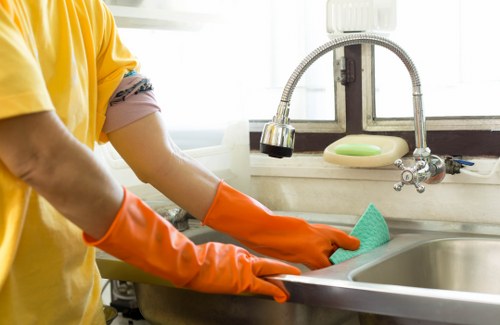
Communal area cleaning covers the regular cleaning and upkeep of any space shared by multiple occupants. These areas are often high-traffic and can quickly collect dirt, debris, spills, and marks. Unlike private rooms or individual units, communal spaces require a structured cleaning plan to stay presentable and hygienic.
Typical shared areas include entrances, corridors, staircases, elevator interiors, reception spaces, mailrooms, laundry rooms, bin stores, and external walkways. In many buildings, communal area cleaning also includes touchpoint disinfection, glass cleaning, vacuuming, mopping, and periodic deep cleaning. The exact tasks depend on the type of property and the level of use.
Well-managed communal area cleaning is tailored to the building’s needs rather than following a one-size-fits-all approach. For example, a busy apartment block may need daily attention in lobbies and stairwells, while a smaller complex may only require scheduled weekly cleaning for some areas. The key is consistency and attention to detail.
Why Communal Area Cleaning Matters
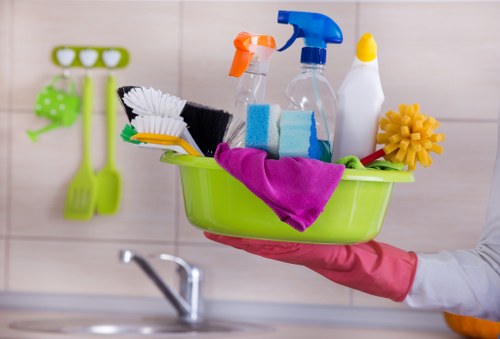
Shared spaces are the first thing residents, visitors, and clients see. If those areas are dirty or neglected, the whole property can appear poorly maintained. Effective communal area cleaning improves visual appeal immediately and helps create a positive impression from the moment someone steps inside.
There are also health and safety reasons to prioritize communal area cleaning. Dust, litter, dampness, and residue on floors can contribute to slipping hazards, poor indoor air quality, and the spread of germs. Regular cleaning helps keep surfaces safe and reduces the chance of unpleasant buildup that can affect everyone using the space.
From a property management perspective, professional communal area cleaning can also reduce long-term maintenance costs. Dirt and grime left unattended can damage flooring, paintwork, lift panels, windows, and fixtures. Routine cleaning protects these assets and helps extend their lifespan, which is valuable for both landlords and residents.
Common Areas That Need Regular Cleaning
Different properties have different layouts, but there are several areas that almost always require regular communal area cleaning. Understanding these spaces helps ensure nothing is overlooked.
High-traffic shared spaces
- Entrances and foyers
- Hallways and corridors
- Stairwells and landings
- Lift interiors and doors
- Reception and waiting areas
- Shared kitchens and break areas
These areas are used constantly, so they collect marks, dust, and debris quickly. Cleaning them frequently helps maintain a polished and tidy appearance.
Service and utility spaces
- Bin stores and waste rooms
- Laundry rooms
- Meter cupboards and service corridors
- Loading bays and back entrances
- External pathways and shared courtyards
These areas can easily become unpleasant if they are not cleaned regularly. Good communal area cleaning includes service zones because they affect the building’s overall hygiene and comfort.
How Professional Communal Area Cleaning Works
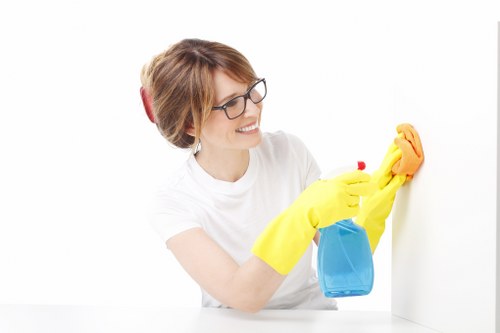
Professional communal area cleaning usually begins with a site assessment. This helps determine the level of use, the surfaces involved, problem areas, and the best cleaning frequency. A good cleaning plan is based on the building’s real needs rather than a generic schedule.
Once the plan is in place, cleaners follow a routine that may include sweeping, vacuuming, mopping, wiping handrails, cleaning glass, polishing fixtures, emptying bins, removing cobwebs, and sanitizing touchpoints. The goal is to create a consistent standard so that every shared area remains clean, safe, and visually appealing.
Many providers also offer periodic deep communal area cleaning. This may include floor scrubbing, carpet shampooing, buffing hard floors, pressure washing exterior areas, or intensive cleaning of neglected spots. Deep cleaning for communal areas is especially helpful in buildings with heavy foot traffic or seasonal dirt buildup.
Typical cleaning tasks may include:
- Dusting ledges, skirting boards, and fixtures
- Cleaning fingerprints from doors and glass
- Vacuuming carpets and mats
- Disinfecting high-touch surfaces
- Removing litter and debris
- Cleaning lift buttons and handrails
Benefits of Regular Communal Area Cleaning

There are many reasons why property managers and residents value a reliable communal area cleaning service. The benefits go well beyond appearances and can positively affect daily living for everyone in the building.
1. Better hygiene
Shared spaces can be a hotspot for germs because many people touch the same surfaces. Frequent communal area cleaning helps reduce contamination on handles, switches, railings, and buttons.
2. Improved safety
Clean floors and clear walkways reduce the risk of slips, trips, and falls. This is particularly important in stairwells, entrances, and areas where rain or mud may be tracked indoors.
Additional advantages
- Enhances resident satisfaction
- Supports better property presentation
- Helps preserve building materials and surfaces
- Reduces unpleasant odors in shared spaces
- Creates a more professional atmosphere
These advantages show why communal area cleaning is often treated as a core property management task rather than an optional extra. In residential and commercial buildings alike, cleanliness contributes to how people feel about the entire environment.
Communal Area Cleaning for Residential Buildings
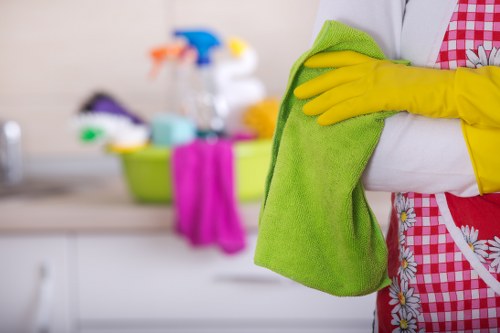
In residential buildings, communal area cleaning plays a major role in daily comfort. Residents want to come home to clean corridors, tidy entrances, and well-kept staircases. These shared spaces influence how people view the building and how respected they feel as occupants.
Apartment blocks, housing estates, and managed developments often need a mix of daily, weekly, and periodic cleaning. This may include quick daily refreshes of high-traffic zones and more detailed weekly attention to less-used areas. A reliable routine keeps the property looking cared for all year round.
Clean residential communal areas can also reduce complaints and make property management easier. When residents notice that floors are clean, bins are emptied, and glass is polished, they are more likely to feel confident that the building is well managed. That sense of order often makes a big difference in multi-tenant environments.
Communal Area Cleaning for Commercial Properties
Commercial buildings have their own unique cleaning needs. Offices, business centers, clinics, and retail developments often receive a steady stream of visitors, staff, and delivery personnel. This increases the need for dependable communal area cleaning that keeps shared areas professional and hygienic.
Reception zones, corridors, restrooms, lift lobbies, and break areas are especially important in commercial spaces. These are the areas where impressions are formed quickly, and poor cleanliness can influence how clients, partners, and employees perceive the business. A clean commercial environment supports productivity and professionalism.
In office settings, communal area cleaning also helps staff feel more comfortable and focused. Nobody wants to work in a space with dirty floors, overflowing bins, or dusty surfaces. Clean shared spaces contribute to morale, reduce distractions, and support a healthier workplace culture.
Why businesses invest in shared area cleaning
- Creates a polished and professional image
- Supports employee wellbeing
- Reduces disruption from mess and clutter
- Helps meet hygiene expectations
- Protects flooring, carpets, and fixtures
For many organizations, communal area cleaning is a simple but effective way to maintain a strong brand image and a better workplace environment.
Choosing the Right Cleaning Frequency
One of the most important decisions in communal area cleaning is how often each space should be cleaned. The right frequency depends on usage, size, layout, and the type of building. A busy apartment block with hundreds of residents will need a more intensive schedule than a small office with limited foot traffic.
High-traffic entrances, stairwells, and lift areas may need daily cleaning, while certain storage or service areas may only need weekly attention. Seasonal changes also matter. Wet weather can increase dirt and moisture indoors, which means entrance mats, floors, and pathways may need extra care during rainy periods.
When creating a cleaning schedule, property managers should consider traffic patterns, resident expectations, and any specific problem areas. A good schedule keeps communal area cleaning efficient without wasting resources. It also helps ensure no part of the property is neglected for too long.
Questions to ask when setting a schedule:
- How many people use the space each day?
- Which areas become dirty the fastest?
- Are there seasonal risks like rain, mud, or leaves?
- Do residents or employees expect daily upkeep?
- Are there surfaces that need specialist care?
Best Practices for Effective Communal Area Cleaning
To achieve consistent results, communal area cleaning should follow a practical system. Small details make a big difference in shared environments, especially when many people are using the same areas throughout the day.
One key best practice is using the right products for each surface. Hard floors, carpets, glass, stainless steel, and painted walls all need different care. Using incorrect products can damage surfaces or leave residue behind. A proper cleaning routine protects the building while delivering a better finish.
Consistency matters just as much as technique. Even the best cleaning method will not perform well if it is not applied regularly. Cleaners should follow a checklist, report maintenance issues, and adjust their approach if certain areas need more attention than usual.
Helpful practices for better results
- Use color-coded cloths and mops to prevent cross-contamination
- Clean from top to bottom to avoid spreading dust
- Pay attention to touchpoints and corners
- Use mats at entrances to reduce tracked-in dirt
- Document issues such as spills, leaks, or damage
These habits make communal area cleaning more effective and help maintain a higher standard across the entire property.
Seasonal Challenges in Communal Area Cleaning
Different seasons can affect the condition of shared spaces in different ways. In winter, wet shoes, salt, and mud often create extra mess. In spring and summer, dust, pollen, insects, and increased foot traffic can become more noticeable. Autumn may bring leaves and debris into entryways and outdoor walkways.
That is why communal area cleaning should be flexible enough to adapt throughout the year. Seasonal adjustments might include more frequent mopping during wet months, extra vacuuming during periods of heavy dust, or stronger focus on external entrances when leaves and dirt are common.
Seasonal planning helps prevent avoidable mess from becoming a persistent issue. A proactive approach ensures that shared spaces stay presentable even when weather and usage patterns change.
Common Problems Without Proper Communal Area Cleaning
When communal area cleaning is inconsistent or neglected, the effects are quickly visible. Dust gathers in corners, bins overflow, fingerprints spread across glass, and floors begin to look dull or sticky. These problems may seem small at first, but they can build into a much larger issue.
Neglected shared spaces can lead to complaints from residents or tenants, higher maintenance costs, and reduced confidence in the building’s management. In some cases, poor cleaning may even create health concerns or safety risks. For example, slippery floors and blocked pathways can lead to avoidable accidents.
More broadly, a lack of regular communal area cleaning can influence how people behave in the space. When an area looks dirty, some users may treat it less carefully, which can accelerate deterioration. Clean spaces tend to encourage better habits and greater respect from occupants.
Potential consequences of poor upkeep
- Unpleasant odors
- Visible staining and grime
- Higher risk of slips and falls
- Resident dissatisfaction
- Faster wear on floors and fixtures
- Negative first impressions
How to Maintain a High Standard Year-Round
Maintaining a high standard in communal area cleaning requires more than one-off effort. It depends on a repeatable system, regular inspection, and a willingness to adjust when needed. The best results come from planning ahead rather than reacting only when a problem becomes obvious.
Property managers should review cleaning performance regularly and monitor areas that tend to become dirty quickly. Feedback from residents, tenants, or building users can also help identify locations that need extra care. A responsive cleaning plan is much more effective than a fixed routine that never changes.
Long-term cleanliness is easier to achieve when cleaning teams and building managers work together. Clear communication, realistic expectations, and a practical schedule all contribute to better outcomes. If the building stays clean, everyone benefits from a more pleasant and functional shared environment.
Why Communal Area Cleaning Is a Smart Investment
Some people see cleaning as a routine expense, but communal area cleaning should be viewed as a smart investment. Clean shared spaces protect property value, support health and safety, and improve the daily experience of residents and visitors alike. In many cases, the return is visible in both appearance and longevity of surfaces.
For landlords and property managers, the benefits are especially strong. Clean buildings are easier to market, easier to manage, and more appealing to current and future occupants. Whether the property is residential or commercial, shared spaces help shape the overall perception of the entire premises.
If you want a cleaner, safer, and more welcoming building, professional communal area cleaning is one of the most effective steps you can take. It supports day-to-day comfort while also protecting the long-term condition of the property. Book your service now and make shared spaces something people notice for the right reasons.
Final Thoughts on Communal Area Cleaning
Communal area cleaning is essential for keeping shared spaces hygienic, attractive, and functional. It affects how buildings look, how safe they are, and how people feel when they use them. From apartment corridors to office lobbies, every communal space benefits from regular attention and a thoughtful cleaning routine.
With the right plan, the right frequency, and a focus on quality, communal area cleaning becomes a powerful tool for property care. It improves first impressions, reduces maintenance issues, and creates a better environment for everyone. If your building needs a more reliable standard of cleanliness, contact us today to take the next step toward cleaner shared spaces.