Regular Cleaning for Healthier, Brighter, and More Comfortable Spaces
Regular cleaning is one of the simplest and most effective ways to improve the look, feel, and function of any space. Whether it is a home, office, retail store, apartment, or shared building, regular cleaning helps create an environment that feels fresh, organized, and safe. It also supports better hygiene, reduces hidden buildup, and helps surfaces last longer over time. When cleaning becomes part of a routine instead of a last-minute chore, the results are easier to maintain and far more noticeable.
Many people think of regular cleaning as just sweeping floors or wiping counters, but it is much more than that. A consistent cleaning schedule can reduce dust, allergens, odors, bacteria, and clutter. It can also make a strong impression on guests, clients, tenants, or employees. In a busy lifestyle, keeping up with routine cleaning may feel difficult, but the long-term benefits make it worth the effort. Regular cleaning is not only about appearance; it is about comfort, health, and peace of mind.
In this article, we will explore why regular cleaning matters, what it includes, how it benefits different spaces, and how to maintain a practical cleaning routine that works. You will also learn how to choose the right cleaning priorities and why professional support can be useful for larger or more demanding environments.
Why Regular Cleaning Matters

At its core, regular cleaning helps prevent small messes from turning into larger problems. Dust collects quickly, spills can stain if ignored, and moisture can lead to mold or unpleasant odors. When cleaning is done regularly, these issues are easier to manage before they become expensive or time-consuming. This is one reason regular cleaning services are valued in both residential and commercial settings.
Another important reason for regular cleaning is health. Indoor spaces can collect dust mites, pet dander, pollen, food particles, and germs. These contaminants may affect breathing, trigger allergies, or contribute to an unclean feeling in the environment. A consistent cleaning routine reduces buildup and supports a healthier indoor atmosphere. Clean spaces often feel calmer, more inviting, and easier to enjoy.
Regular cleaning also protects your investment. Floors, upholstery, fixtures, and appliances last longer when they are cared for properly. Dirt and grime can wear down finishes and surfaces over time. By staying ahead of buildup, you can preserve the condition of your property and avoid premature replacement costs.
What Regular Cleaning Typically Includes
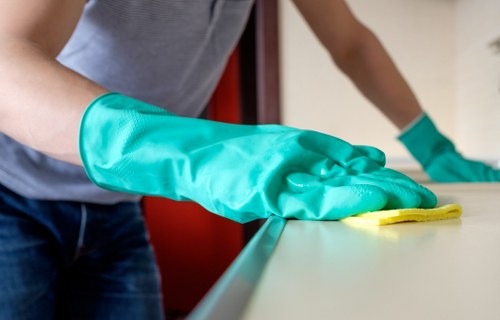
Regular cleaning usually focuses on the essential tasks needed to maintain order and cleanliness on an ongoing basis. While every home or business may have different priorities, most routines include core tasks that keep the environment tidy and sanitary. These tasks are often repeated weekly, biweekly, or monthly depending on traffic and usage.
Common regular cleaning tasks include:
- Dusting furniture, shelves, and hard-to-reach surfaces
- Vacuuming carpets, rugs, and upholstery
- Sweeping and mopping floors
- Wiping down countertops, tables, and other frequently touched surfaces
- Cleaning bathrooms, sinks, toilets, and mirrors
- Emptying trash bins and replacing liners
- Spot-cleaning doors, switches, and handles
- Light kitchen cleaning, including appliance surfaces and sink areas
In some cases, regular cleaning may also include making beds, organizing common areas, and refreshing high-use spaces. The goal is to maintain a baseline of cleanliness so the property always feels cared for. Routine cleaning is most effective when it is consistent and tailored to the space.
Health Benefits of Regular Cleaning
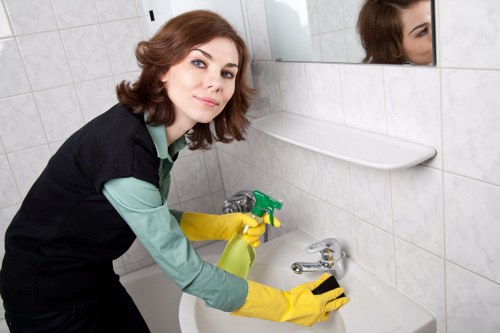
One of the strongest reasons to prioritize regular cleaning is the effect it has on health. Clean indoor environments can reduce exposure to common irritants and contaminants. This is especially important for people with asthma, allergies, or other sensitivities. Regular dusting, vacuuming, and disinfection can help reduce particles that affect air quality and comfort.
Bathrooms and kitchens deserve special attention because they are areas where moisture and food residue can create ideal conditions for bacteria and mold. Regular cleaning in these spaces helps reduce odors and supports proper hygiene. Keeping sinks, counters, and high-touch surfaces clean also helps limit the spread of germs within a household or workplace.
Beyond physical health, a tidy environment can support mental well-being. Many people find that clutter and mess increase stress or make it harder to focus. A clean, orderly space often feels more manageable and relaxing. When your surroundings are in good shape, it is easier to feel in control of your day.
How cleanliness supports daily wellness
Regular cleaning can contribute to wellness in several practical ways:
- Reduces allergens such as dust and pet dander
- Helps prevent bacteria from spreading on frequently touched surfaces
- Lowers the risk of mold in damp areas
- Improves air freshness and indoor comfort
- Creates a more peaceful and less stressful environment
Regular Cleaning for Homes
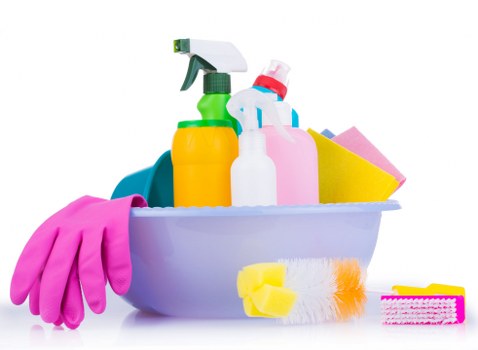
For homeowners and renters, regular cleaning is essential for maintaining a comfortable living environment. Daily life naturally creates messes: shoes bring in dirt, dishes pile up, bathrooms collect moisture, and dust settles on nearly every surface. Without a routine, these small tasks quickly become overwhelming. That is why home cleaning routines are so valuable.
Regular cleaning at home keeps living spaces pleasant and functional. It helps families stay organized, reduces the time needed for deep cleaning later, and makes it easier to host visitors at short notice. It can also help protect children and pets by limiting access to dust, crumbs, and other debris. In busy homes, even a basic schedule can make a major difference.
Many households benefit from dividing tasks into daily, weekly, and monthly categories. Daily tasks may include wiping kitchen counters, washing dishes, and tidying shared spaces. Weekly tasks may involve vacuuming, mopping, and cleaning bathrooms. Monthly tasks can include wiping baseboards, cleaning behind appliances, and washing windows. This layered approach makes regular cleaning more manageable and effective.
Practical home cleaning priorities
To keep a home in good shape, focus on the areas that are used most often:
- Kitchen counters, sink, and stovetop
- Bathroom sinks, toilets, and shower areas
- Living room floors, tables, and seating
- Bedroom surfaces, bedding, and floor edges
- Entryways, hallways, and high-traffic floors
Regular Cleaning for Workplaces and Commercial Spaces
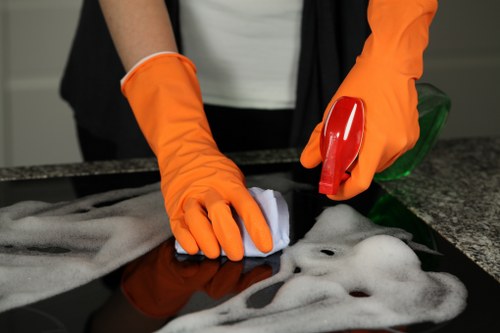
Commercial properties rely heavily on regular cleaning because first impressions matter. Offices, storefronts, clinics, and other business environments are often judged by how clean and organized they appear. A neat workplace can make clients feel more confident and can help employees feel more comfortable and productive. Commercial cleaning routines are therefore an important part of maintaining professionalism.
In workplaces, regular cleaning is not just about appearance. It also helps reduce germs on shared surfaces such as desks, conference tables, breakroom counters, and bathroom fixtures. This can be especially important in busy offices where many people share common areas throughout the day. Clean surroundings also support better organization, which can improve efficiency and reduce distractions.
Businesses often benefit from scheduled cleaning during off-hours or low-traffic periods to avoid interrupting operations. Depending on the space, regular cleaning may include vacuuming, restroom sanitation, trash removal, floor care, and surface disinfection. The exact plan should reflect the size of the property, the type of activity that takes place there, and the amount of foot traffic.
Why businesses should not delay cleaning
Waiting too long between cleaning sessions can cause several issues:
- Visible dirt and clutter can affect customer impressions
- Shared spaces may become less hygienic
- Floors and fixtures may wear down more quickly
- Odors can develop in trash areas and restrooms
- Employee morale may decrease in a neglected environment
How Regular Cleaning Saves Time and Money
One of the most practical benefits of regular cleaning is long-term savings. When cleaning is done on schedule, dirt, stains, and buildup do not have the chance to become deeply embedded. That means fewer intensive cleaning projects later and less need for costly repairs or replacements. For example, regular floor care helps preserve finishes, while consistent upholstery cleaning helps maintain fabric quality.
Regular cleaning also saves time by making each task easier. A room that is cleaned weekly will take less effort to maintain than one that is left untouched for months. This is true for homes and businesses alike. Instead of spending an entire day catching up, you can keep the work spread out into manageable steps. Routine maintenance is often the easiest path to lasting cleanliness.
There is also value in reducing emergency cleaning situations. Spills, odors, and buildup are much simpler to handle when addressed early. If ignored, they can become harder to remove and more expensive to correct. In this way, regular cleaning functions as a form of prevention. It keeps properties looking better for longer while minimizing unnecessary effort.
Simple ways cleaning prevents extra costs
Here are a few examples of how routine care helps protect your budget:
- Prevents permanent stains on carpets and upholstery
- Reduces wear on floors and surfaces
- Helps appliances and fixtures stay in better condition
- Limits mold growth and moisture damage
- Delays the need for deep restoration work
Building an Effective Regular Cleaning Routine
The best regular cleaning routine is one that is realistic, consistent, and suited to the needs of the space. A routine should not feel so complicated that it becomes impossible to follow. Instead, it should fit naturally into daily life or business operations. The simpler the system, the more likely it is to succeed over time.
Start by identifying the areas that matter most. High-traffic spaces, bathrooms, kitchens, entryways, and shared surfaces usually need the most attention. Then decide how often each area should be cleaned. Some tasks are better suited for daily upkeep, while others can be handled weekly or monthly. Once a schedule is in place, it becomes easier to stay consistent.
It is also helpful to use the right tools and products for each task. Microfiber cloths, vacuum cleaners, disinfectants, mop systems, and storage organizers can all make cleaning faster and more efficient. For people with limited time, professional regular cleaning services may be a practical solution. Whether done in-house or by a cleaning team, consistency is what matters most.
Steps to create a realistic routine
- List the areas that need cleaning most often
- Separate tasks by daily, weekly, and monthly frequency
- Assign responsibilities if more than one person is involved
- Use a checklist to stay organized
- Adjust the routine as needs change over time
Regular Cleaning vs. Deep Cleaning
Regular cleaning and deep cleaning serve different purposes, but they work best together. Regular cleaning handles ongoing maintenance and keeps visible messes under control. Deep cleaning goes further by addressing buildup in hidden or hard-to-reach areas. Both are important, but regular cleaning creates the foundation that makes deep cleaning less demanding.
For example, regular cleaning might include vacuuming a carpet, while deep cleaning could involve shampooing it to remove embedded dirt. Regular cleaning might mean wiping the bathroom sink each week, while deep cleaning could involve scrubbing tile grout and descaling fixtures. Without regular cleaning, deep cleaning becomes much more time-consuming.
The most effective approach is to combine both. Regular cleaning should happen frequently to maintain cleanliness, while deep cleaning can be done periodically to refresh the entire space. This balanced strategy keeps environments cleaner, healthier, and more presentable throughout the year.
Differences at a glance
- Regular cleaning: routine maintenance and visible tidiness
- Deep cleaning: detailed work and hidden buildup removal
- Frequency: weekly or more often for regular cleaning, less often for deep cleaning
- Goal: consistency versus restoration
What to Look for in Regular Cleaning Support
If you decide to use professional help, it is important to choose a service that understands your space and your priorities. Not every property needs the same cleaning plan, and a good provider should be able to adapt. Look for flexibility, attention to detail, and a clear process that fits your schedule and expectations.
Communication is also key. The best regular cleaning support should make it easy to identify what is included and how often tasks are completed. Whether you need help with residential upkeep or commercial maintenance, the service should be reliable and consistent. That consistency is what makes regular cleaning truly effective over time.
It can also help to ask whether the provider uses proper cleaning methods for different surfaces. Floors, glass, stainless steel, fabric, and tile all require different techniques. A thoughtful approach protects materials and produces better results. If you want a cleaner, healthier environment without unnecessary stress, professional support can be a smart investment. Contact us today if you are ready to improve your cleaning routine and book your service now.
Long-Term Advantages of Staying Consistent
Consistency is the real secret behind successful regular cleaning. A space that is cleaned often will always be easier to manage than one that is left to accumulate mess. Over time, this consistency creates a noticeable difference in appearance, comfort, and cleanliness. Even small efforts, when repeated regularly, can transform how a property looks and feels.
There are also long-term lifestyle benefits. A clean and organized environment can make daily routines smoother and reduce frustration. People often spend less time searching for items, cleaning up after avoidable messes, or dealing with unpleasant odors. In businesses, regular cleaning can support a more polished atmosphere that reflects professionalism and care.
Most importantly, regular cleaning helps establish a standard. Once a space is consistently maintained, it becomes easier to keep it that way. This creates a positive cycle: cleanliness supports order, order supports efficiency, and efficiency makes future cleaning easier. That is why regular cleaning remains one of the most practical habits for any property.
Key takeaways for lasting results
- Small cleaning tasks are easier when done consistently
- Health, comfort, and appearance all improve with routine care
- Maintenance is less costly than neglect
- Both homes and businesses benefit from a schedule
- Professional support can help keep standards high
Conclusion: Make Regular Cleaning Part of Everyday Success
Regular cleaning is far more than a household chore or a business routine. It is a practical strategy for protecting health, preserving property, and creating a more pleasant environment. Whether you are managing a home, maintaining an office, or caring for a shared property, a steady cleaning schedule makes life easier and spaces more enjoyable.
By focusing on frequent upkeep, you can reduce buildup, improve hygiene, and avoid the stress that comes with bigger messes. Clean spaces support better habits, better impressions, and better long-term results. From floors and surfaces to kitchens and bathrooms, every area benefits from consistent attention. If you want lasting cleanliness and a more comfortable environment, make regular cleaning a priority.
Contact us today to learn more about tailored cleaning support, or book your service now and take the next step toward a fresher, healthier space.