Office Cleaning in Modern Workspaces: A Practical Approach to Healthier, More Productive Environments
Office cleaning plays a far bigger role in daily business success than many people realize. A clean workplace is not just about appearance; it supports employee well-being, improves morale, protects assets, and creates a stronger first impression for visitors and clients. Whether you manage a small studio, a shared workspace, or a large corporate office, investing in professional office cleaning helps maintain a space that feels organized, hygienic, and ready for work.
In today’s competitive market, businesses are paying closer attention to cleanliness because it influences productivity and reputation. Dust on surfaces, neglected restrooms, and cluttered common areas can quickly make an office feel unprofessional. On the other hand, consistent office cleaning promotes confidence, reduces distractions, and supports a healthier day-to-day environment. It is one of the simplest ways to protect your workplace investment while improving the experience for everyone who enters the building.
Modern office cleaning is also more detailed than many people expect. It includes everything from sanitizing desks and polishing floors to handling high-touch points, waste removal, kitchen upkeep, and restroom disinfection. With the right cleaning plan, a workplace can stay fresh, organized, and presentable throughout the week. For businesses that want to make a lasting impression, office cleaning is an essential part of operations, not an afterthought.
Why Office Cleaning Matters for Every Business

Office cleaning affects more than visual appeal. It contributes directly to the health, comfort, and productivity of employees. Dust, allergens, and germs can build up quickly in busy workplaces, especially in shared areas like conference rooms, break rooms, and reception spaces. When these areas are cleaned regularly, the office becomes a more pleasant and safer place to spend the day.
There is also a clear link between cleanliness and professionalism. Clients and partners notice the condition of an office the moment they walk in. Clean floors, tidy desks, and fresh-smelling rooms suggest that the business is organized and detail-oriented. This can strengthen trust and help create a positive impression before any conversation even begins.
Another important reason office cleaning matters is employee satisfaction. People generally work better in spaces that feel cared for. A clutter-free, sanitized environment reduces stress and can even improve focus. When a business invests in reliable office cleaning, it sends a strong message that the workplace and the people in it matter.
What Professional Office Cleaning Typically Includes
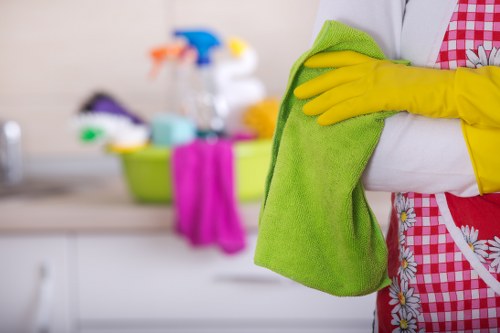
Professional office cleaning services can be tailored to different industries and building sizes, but most plans include a wide range of essential tasks. These tasks are designed to keep the workplace clean, sanitary, and comfortable without disrupting normal operations. A strong cleaning routine usually covers visible areas as well as high-touch surfaces that are often overlooked.
Common office cleaning duties may include dusting, vacuuming, mopping, disinfecting desks and tables, cleaning glass, emptying bins, and maintaining restrooms. Many services also handle kitchen and breakroom cleaning, supply restocking, and periodic deep cleaning. Depending on the business, office cleaning can also include carpet care, upholstery cleaning, and floor polishing.
To better understand the scope of service, here are some of the most common tasks included in an office cleaning plan:
- Sanitizing door handles, light switches, and shared equipment
- Cleaning reception areas and waiting rooms
- Emptying trash and recycling bins
- Wiping down desks, tables, and workstations
- Vacuuming carpets and rugs
- Mopping hard floors and removing stains
- Cleaning and disinfecting restrooms
- Maintaining kitchens, coffee stations, and lunch areas
The Benefits of Consistent Office Cleaning
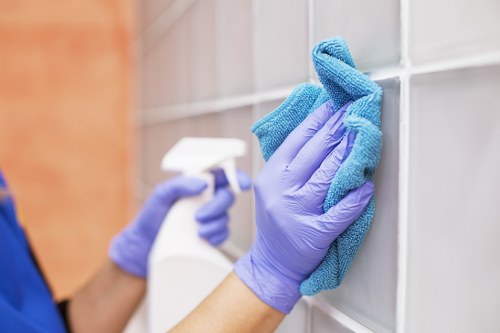
One of the greatest advantages of regular office cleaning is consistency. Instead of waiting until dirt, dust, or clutter becomes noticeable, a scheduled cleaning routine keeps the workplace in good shape every day. This prevents small problems from turning into larger, more expensive issues. It also helps maintain a polished look across all areas of the office, from the lobby to storage rooms.
Another major benefit is reduced illness-related disruption. Offices are shared environments, which means germs can spread easily through door handles, break rooms, keyboards, and meeting tables. Thorough office cleaning helps reduce the presence of bacteria and viruses, especially when high-touch surfaces are disinfected frequently. Fewer germs can mean fewer absences and smoother business operations.
Consistent cleaning also protects office furniture, flooring, and fixtures. Dust and grime may seem harmless at first, but over time they can damage surfaces, dull finishes, and shorten the life of assets. Regular office cleaning helps preserve carpets, chairs, counters, and electronic equipment. This can save money in the long run while keeping the workspace looking professional.
Key benefits of ongoing office cleaning include:
- A cleaner and healthier work environment
- Improved staff morale and focus
- Better client impressions
- Longer lifespan for office furnishings
- Less clutter and fewer distractions
How Office Cleaning Supports Health and Hygiene

Health and hygiene have become central concerns in modern workplaces, and office cleaning is one of the most effective ways to support both. Workspaces naturally collect germs from hands, shoes, air circulation, and shared objects. Without regular sanitizing, those germs can accumulate on surfaces and in common areas. A structured cleaning program helps reduce these risks and create a healthier environment for everyone.
High-touch surfaces deserve special attention. Items like keyboards, elevator buttons, door handles, conference tables, and shared phones are used throughout the day by multiple people. If these surfaces are not cleaned regularly, they can become a source of contamination. Effective office cleaning includes disinfecting these points as part of a routine that prioritizes health as well as appearance.
Air quality is another important factor. Dust, pollen, and other particles can build up in office carpets, vents, and upholstery. Regular vacuuming, dusting, and deep cleaning can reduce airborne irritants and make the space more comfortable, especially for employees with allergies or sensitivities. This is one reason many businesses now view office cleaning as part of workplace wellness.
Focus Areas That Need Extra Attention
Some parts of the office require more frequent cleaning than others because they are used more often or are more likely to harbor germs. These areas should never be overlooked in any professional office cleaning schedule.
- Reception desks and visitor seating
- Shared printers and copiers
- Break rooms and kitchen counters
- Restrooms and sink fixtures
- Meeting rooms and collaborative work areas
Choosing the Right Office Cleaning Schedule

Every workplace has different cleaning needs, which is why the right office cleaning schedule depends on office size, traffic levels, and business type. A small office with only a few employees may need daily tidying and weekly deep cleaning, while a busy customer-facing workplace may require more frequent service. The best schedule is one that keeps the office consistently clean without interfering with daily tasks.
Daily office cleaning often covers essentials like trash removal, restroom sanitation, floor care, and surface wiping. Weekly cleaning may include more detailed tasks such as dusting, glass cleaning, and kitchen sanitizing. Monthly or quarterly deep cleaning can take care of carpets, upholstery, vents, and hard-to-reach areas. The goal is to create a balance between visible cleanliness and long-term maintenance.
When deciding on a schedule, businesses should also consider peak hours, employee volume, and visitor flow. Some companies prefer cleaning before staff arrive, while others schedule after-hours service to avoid interruptions. The right office cleaning plan should feel seamless, efficient, and aligned with workplace routines. This helps keep the office clean without affecting productivity.
Factors That Influence Cleaning Frequency
Several factors can determine how often office cleaning should be performed:
- Number of employees using the space
- Frequency of client visits
- Type of flooring and surface materials
- Presence of kitchens or shared eating areas
- Local health and industry standards
Office Cleaning for Different Workplace Types
Not all workplaces need the same cleaning approach. A law office, medical office, creative studio, and corporate headquarters each have distinct requirements. Office cleaning should be flexible enough to support the specific layout, traffic level, and function of the space. A customized approach usually delivers better results than a one-size-fits-all routine.
For example, customer-facing offices often need extra attention in lobbies, meeting rooms, and restrooms because those spaces shape visitor impressions. Open-plan offices may need more frequent surface cleaning because many employees share desks, tables, and equipment. Administrative offices may focus more on dust removal, floor care, and trash management. In every case, the purpose of office cleaning remains the same: create a tidy, healthy, and efficient environment.
Businesses in regulated industries may also need stricter sanitation practices. Office cleaning for healthcare, finance, legal, or education settings may involve special protocols, documented processes, and more detailed disinfection steps. Working with a provider that understands these differences can make a significant impact on quality and compliance.
Examples of industry-specific cleaning priorities
- Medical offices: strict sanitation and high-touch disinfection
- Corporate offices: lobby presentation and shared space maintenance
- Creative studios: dust control and equipment-safe cleaning
- Educational offices: hygiene in common areas and meeting rooms
What to Look for in an Office Cleaning Service
When selecting an office cleaning provider, businesses should focus on reliability, experience, and attention to detail. A strong provider does more than wipe down visible surfaces. They understand how to maintain a clean workplace efficiently and consistently. The right partner should also be able to adapt services to suit your building size, schedule, and priorities.
Experience matters because office cleaning requires more than basic janitorial work. It involves knowing how to handle different flooring materials, cleaning products, sanitation standards, and access procedures. A trained team will work carefully around office equipment, confidential documents, and busy workstations. This reduces the chance of disruption while improving the overall standard of cleanliness.
Businesses should also look for clear communication and service flexibility. Whether you need daily maintenance, weekly cleaning, or periodic deep cleaning, the provider should offer a plan that fits your schedule. A dependable office cleaning service makes the process simple, predictable, and effective. That is especially important for businesses that want to maintain a polished image throughout the year.
Questions Worth Asking Before You Choose
Before hiring a provider, it helps to ask the right questions. These questions can clarify whether the service is a good fit for your office cleaning needs.
- What tasks are included in your regular office cleaning service?
- Can the cleaning schedule be customized?
- Do you use eco-friendly or low-odor products?
- How do you handle high-touch surface disinfection?
- Are deep cleaning services available when needed?
Eco-Friendly Office Cleaning and Modern Expectations
More companies are now looking for cleaning solutions that are effective and environmentally responsible. Eco-friendly office cleaning uses products and methods designed to reduce harsh chemical exposure while still delivering strong results. This can be especially helpful in offices where employees are sensitive to strong odors or where sustainable practices are part of the company culture.
Green office cleaning may include non-toxic cleaning solutions, microfiber tools, water-saving methods, and careful product selection. These choices can improve indoor air quality and reduce environmental impact without sacrificing cleanliness. For businesses that want to align their operations with modern values, sustainable office cleaning is a practical and appealing option.
At the same time, eco-friendly does not mean less effective. A professional provider can still disinfect surfaces, remove buildup, and keep the office spotless while using safer products. This approach supports both workplace wellness and responsible business practices. It is a strong example of how office cleaning continues to evolve with modern expectations.
Office Cleaning Tips for a Better Everyday Routine
Even with professional service in place, small habits can help keep the office looking its best between cleanings. A few simple routines can reduce clutter, support hygiene, and make office cleaning more effective. When employees and management work together, the workplace stays cleaner for longer.
Start by encouraging everyone to keep workstations organized. Papers, cups, and supplies should be stored properly instead of left on desks. Shared spaces should be respected by wiping spills quickly and returning items after use. These small habits make a big difference and help preserve the results of professional office cleaning.
It is also smart to make hand sanitizer, tissues, and disinfectant wipes available in convenient locations. This supports daily hygiene and reduces the spread of germs. In addition, businesses should schedule periodic decluttering sessions to remove old documents, broken items, and unused supplies. The less clutter there is, the easier office cleaning becomes.
Simple habits that support a cleaner office
- Clear desks at the end of the day
- Clean spills immediately
- Store food only in designated areas
- Empty personal bins regularly
- Keep shared equipment tidy after use
The Business Case for Investing in Office Cleaning
Office cleaning is often seen as an operating expense, but it is better understood as a business investment. A cleaner office helps reduce health-related interruptions, extends the life of furniture and flooring, and strengthens the company’s professional image. These benefits can contribute to lower costs and better performance over time.
There is also a strong psychological benefit. Employees tend to feel more valued when they work in a clean, well-maintained space. That can improve motivation and create a more positive company culture. Clients and visitors also respond well to a space that looks orderly and cared for. In many ways, office cleaning supports both internal morale and external brand perception.
When you consider the combined impact on productivity, comfort, and presentation, the value becomes clear. Businesses that prioritize office cleaning are often better positioned to make a strong impression and operate efficiently. If your workplace could benefit from a cleaner, healthier environment, now is the right time to act. Book your service now and see the difference a well-maintained office can make.
Final Thoughts
Office cleaning is about more than keeping surfaces neat. It supports health, protects assets, improves workplace morale, and helps businesses project a professional image. From daily maintenance to deep cleaning, the right strategy can transform a workplace into a cleaner, more comfortable, and more productive space. Whether your office is small or large, modern or traditional, consistent office cleaning should remain a top priority.
If your business wants to create a better environment for staff and visitors, contact us today to discuss the right office cleaning approach for your needs. With a reliable plan in place, you can maintain a workspace that reflects your standards and supports your success.