End of Tenancy Cleaning: A Practical, SEO-Friendly Approach to a Smooth Move-Out
Why End of Tenancy Cleaning Matters for Tenants and Landlords

End of tenancy cleaning is one of the most important tasks to complete when moving out of a rental property. Whether you are a tenant hoping to secure your full deposit or a landlord preparing the property for new occupants, a thorough end of tenancy cleaning routine can make a huge difference. It goes beyond standard tidying and focuses on restoring the property to the condition expected at the end of a tenancy.
For tenants, this service is often the final step before handing back the keys. For landlords and letting agents, it helps present the property in a fresh, clean, and appealing state for the next occupant. In many cases, the difference between a partial deposit deduction and a full refund can come down to the quality of the end of tenancy cleaning performed.
In practical terms, the process covers every room in the property, from the kitchen and bathrooms to bedrooms, hallways, and living areas. It also includes details that are often overlooked during regular household cleaning, such as skirting boards, light switches, inside cupboards, and appliance interiors. This is why end of tenancy cleaning is considered a specialist task rather than an ordinary clean.
What End of Tenancy Cleaning Usually Includes

The exact scope of end of tenancy cleaning may vary depending on the property, the tenancy agreement, and the expectations of the landlord or letting agent. However, there are common tasks that are generally included in a professional service. These tasks are designed to leave the home in a condition that is presentable, hygienic, and ready for inspection.
Typical cleaning tasks include deep cleaning of kitchens and bathrooms, vacuuming and mopping floors, wiping down surfaces, removing limescale, cleaning cupboards inside and out, dusting hard-to-reach areas, and polishing fixtures. Many providers also offer oven cleaning, fridge cleaning, carpet care, and window cleaning as part of a broader end of tenancy cleaning package.
To help you understand what a thorough clean may involve, here is a simple breakdown:
- Kitchen: oven, hob, extractor fan, sinks, cabinets, tiles, splashbacks, and appliances
- Bathroom: toilet, sink, bath, shower, mirrors, tiles, grout, and taps
- Bedrooms and living areas: skirting boards, wardrobes, shelves, radiators, doors, and floors
- General areas: light fittings, switches, sockets, vents, and internal windows
Why a Professional End of Tenancy Cleaning Service Can Save Time
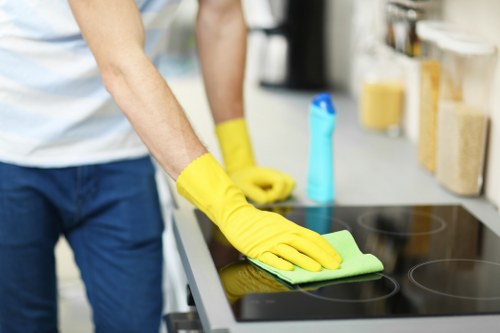
Moving home is stressful enough without having to spend hours scrubbing every corner of the property. Hiring a professional end of tenancy cleaning service can save time, reduce stress, and improve the chances of meeting inspection standards. Professional cleaners come equipped with the right products, tools, and experience to deal with stubborn dirt and neglected areas.
One of the biggest advantages is efficiency. A trained team can complete an end of tenancy cleaning job far faster than most tenants could manage alone, while still achieving a detailed result. They understand how to approach each room systematically and can target areas that are commonly checked during inspections.
Another benefit is consistency. When you clean in a rush, it is easy to miss important details. Professional cleaners follow structured procedures, ensuring that the entire property receives the same level of attention. This is particularly valuable when there are strict checkout requirements or time limits before the final inventory check.
End of Tenancy Cleaning Checklist by Room
Kitchen Cleaning Tasks
The kitchen is often the most challenging part of end of tenancy cleaning because it usually collects grease, food residue, and stains over time. A proper kitchen clean should include deep attention to both visible and hidden areas. Cleaning inside cupboards, behind appliances, and around the sink can make a noticeable difference to the final result.
Common kitchen tasks include:
- Degreasing the hob, oven, extractor fan, and splashback
- Cleaning inside and outside cabinets and drawers
- Wiping countertops, sinks, taps, and tiles
- Removing limescale and food residue from surfaces
- Cleaning fridge, freezer, and dishwasher interiors if required
A thorough end of tenancy cleaning kitchen routine can help prevent deductions for grease, stains, or lingering odours. It also creates a fresh and hygienic environment for the next residents.
Bathroom Cleaning Tasks
Bathrooms require careful attention because they are prone to soap scum, mildew, and limescale. A professional end of tenancy cleaning process should include sanitising toilets, scrubbing sinks, polishing taps, removing mould, and cleaning shower screens or bath panels. Grout and tile edges also need careful treatment to improve the overall appearance.
Mirrors, cabinets, towel rails, and extractor fans are often included as well. In many rental inspections, the bathroom is one of the first places to be checked, so ensuring that it looks spotless can have a strong impact on the outcome of the checkout process.
Living Areas, Bedrooms, and Hallways
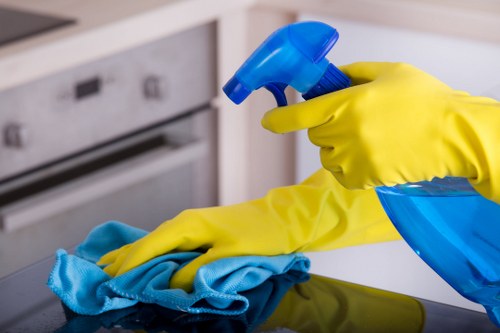
While kitchens and bathrooms tend to receive the most attention, living areas and bedrooms are just as important in end of tenancy cleaning. Dust, marks on walls, fingerprints on switches, and debris in corners can all influence the overall impression of the property. A well-cleaned living space shows that the property has been cared for properly.
In bedrooms and living rooms, attention should be given to skirting boards, windowsills, wardrobes, shelves, doors, radiators, and flooring. Vacuuming carpets, mopping hard floors, and dusting high surfaces are all part of creating a fresh finish. If furniture is included, cleaners may also wipe underneath and behind it where possible.
Hallways are often overlooked, yet they are one of the most visible parts of the property. They connect the rooms and form the first impression during an inspection. A detailed end of tenancy cleaning approach in these spaces can include cleaning door frames, polishing handles, and removing scuff marks where appropriate.
How to Prepare Before End of Tenancy Cleaning Begins
Preparation can make a major difference to how smoothly end of tenancy cleaning progresses. Before cleaning begins, it is wise to remove all personal belongings, rubbish, food items, and loose items from cupboards and drawers. This allows the cleaning team or the person doing the work to access all surfaces easily.
It is also helpful to disconnect appliances safely, defrost the freezer if needed, and make sure utilities such as electricity and water are still available during the cleaning process. Without these basics, some tasks may be delayed or incomplete. If you are handling the clean yourself, preparing a checklist in advance can keep the work organised and efficient.
Another useful step is reviewing your tenancy agreement or inventory report. These documents may contain specific requirements about carpet care, window cleaning, or appliance condition. Knowing what is expected helps ensure the end of tenancy cleaning matches the landlord’s standards.
Useful preparation steps
- Remove personal items and waste from every room
- Defrost the freezer and empty kitchen cupboards
- Ensure access to water and electricity
- Check the tenancy agreement for cleaning expectations
- Take photos of the property before and after cleaning
Common Mistakes People Make During End of Tenancy Cleaning
Even with the best intentions, many people make avoidable mistakes during end of tenancy cleaning. One of the most common issues is focusing only on visible surfaces while ignoring hidden or hard-to-reach areas. Landlords and agents often inspect behind appliances, inside cupboards, and around fixtures, so missing these areas can lead to deductions.
Another common mistake is using the wrong products for certain surfaces. Harsh chemicals may damage countertops, stainless steel, or tiles, while ineffective products may fail to remove grease or limescale properly. Using suitable products is essential for achieving a clean finish without causing damage.
Rushing the process is also a problem. A proper end of tenancy cleaning job takes time, especially if the property is large or has been occupied for a long period. Trying to complete it too quickly often leads to overlooked dust, incomplete bathroom work, or patchy floor cleaning. Planning ahead is always the smarter option.
Other mistakes to avoid
- Forgetting to clean inside appliances
- Ignoring limescale in bathrooms
- Leaving marks on walls and switches
- Using too much water on delicate flooring
- Not checking light fittings and vents
End of Tenancy Cleaning and Deposit Protection
One of the strongest reasons tenants invest in end of tenancy cleaning is deposit protection. In many rental agreements, the property must be returned in a clean and tidy condition, allowing for fair wear and tear only. If the cleanliness level falls below expectation, deductions may be made from the deposit to cover professional cleaning or remedial work.
A detailed clean can help demonstrate that the property has been left responsibly. This does not mean the home must look brand new, but it should be free from excessive dirt, stains, grease, mould, and rubbish. A well-executed end of tenancy cleaning routine can reduce disputes and make the checkout process smoother for everyone involved.
For landlords and agents, cleanliness also affects how quickly the property can be re-let. A fresh, clean home is more attractive to prospective tenants and can create a positive first impression during viewings. In this sense, end of tenancy cleaning benefits both sides of the rental relationship.
Should You Choose DIY or Professional Cleaning?
The decision between DIY and professional end of tenancy cleaning often depends on time, budget, and the condition of the property. If the home is small and has been well maintained, doing it yourself may be possible. However, if the property is large, heavily used, or subject to strict inspection criteria, hiring experts may be the safer option.
DIY cleaning can be cost-effective, especially if you already have the necessary supplies. It also gives you direct control over every task. On the other hand, professional cleaners bring expertise and specialist equipment, which can be especially valuable for carpets, ovens, and bathroom stains. Many tenants choose a combination of both approaches, handling light cleaning themselves and booking specialists for deep-clean tasks.
When deciding, consider the following points:
- Time available: Can you complete the clean before checkout?
- Property size: Larger homes take much longer to clean properly
- Inspection standards: Are there detailed landlord or agent requirements?
- Special tasks: Do you need oven, carpet, or upholstery cleaning?
End of Tenancy Cleaning for Different Property Types
Not every rental property is the same, and end of tenancy cleaning needs can vary depending on the type of home. A studio flat, for example, may be quicker to clean but still require careful attention to compact storage areas, kitchen appliances, and bathroom surfaces. Larger houses may need more time and more than one cleaner to complete the job efficiently.
Furnished properties often involve additional tasks, such as cleaning sofas, mattresses, tables, chairs, and wardrobes. Unfurnished properties may be simpler in one sense, but they can still demand detailed floor, wall, and fixture cleaning. Each property type has its own challenges, so a flexible end of tenancy cleaning plan is usually best.
Older properties may also need extra care because surfaces, fittings, and flooring can be more delicate. In contrast, modern apartments may have glossy finishes, integrated appliances, and compact layouts that require specific cleaning methods. Understanding the property’s needs helps ensure the final result is suitable for inspection.
Practical tips for different properties
- Studios: focus on multi-use spaces and compact storage
- Furnished homes: clean upholstery, mattresses, and furniture carefully
- Family houses: allow extra time for kitchens, stairways, and hallways
- Older homes: use gentle products on sensitive surfaces
How to Make End of Tenancy Cleaning More Effective
There are several simple ways to improve the outcome of end of tenancy cleaning. First, work from top to bottom so that dust and debris fall onto areas that have not yet been cleaned. This prevents you from repeating work and helps create a more efficient process. Second, use the right tools for the job, including microfiber cloths, scrub brushes, vacuum attachments, and suitable cleaning sprays.
Third, allow enough time. A rushed clean can leave behind problems that are easily noticed during inspection. If possible, schedule the clean after moving out but before the final handover, so the property is empty and all surfaces are accessible. This makes end of tenancy cleaning more thorough and less stressful.
Finally, focus on details. Light switches, door handles, skirting boards, extractor fans, and window tracks may seem minor, but they all contribute to the overall impression. Clean these areas carefully and the property will look significantly better.
Why End of Tenancy Cleaning Is Worth the Effort
Although it may feel like one more task on an already long moving checklist, end of tenancy cleaning is worth the effort. It can protect your deposit, reduce disagreements, and leave the property in a condition that meets reasonable expectations. It also supports a smoother transition between tenants, which benefits landlords and letting agents.
Clean properties tend to stand out for the right reasons. A fresh, tidy home reflects well on the outgoing tenant and gives the incoming resident a positive start. When handled properly, end of tenancy cleaning is more than a chore; it is a final step that helps conclude a tenancy on good terms.
If you want to save time, reduce stress, and improve the chances of a successful checkout, it makes sense to plan your cleaning early and stay organised. Whether you choose to do it yourself or hire professionals, the key is to ensure the work is detailed, consistent, and aligned with the tenancy requirements. Contact us today to make your move-out process easier, or Book your service now to secure a spotless result.
Final Thoughts on End of Tenancy Cleaning
A successful move-out depends on preparation, attention to detail, and a clear understanding of what the property needs. End of tenancy cleaning plays a major role in meeting those expectations. From kitchens and bathrooms to living rooms and hallways, every part of the property matters during the final inspection.
By following a structured approach, avoiding common mistakes, and paying close attention to the areas landlords usually check, you can improve the outcome of the tenancy handover. Whether you are a tenant aiming to recover your deposit or a landlord preparing for new occupants, a high-quality end of tenancy cleaning process is a practical investment in peace of mind.
Take the next step early, stay organised, and make sure every room receives the attention it deserves. A clean property creates a better finish for the tenancy and helps everyone move forward with confidence.